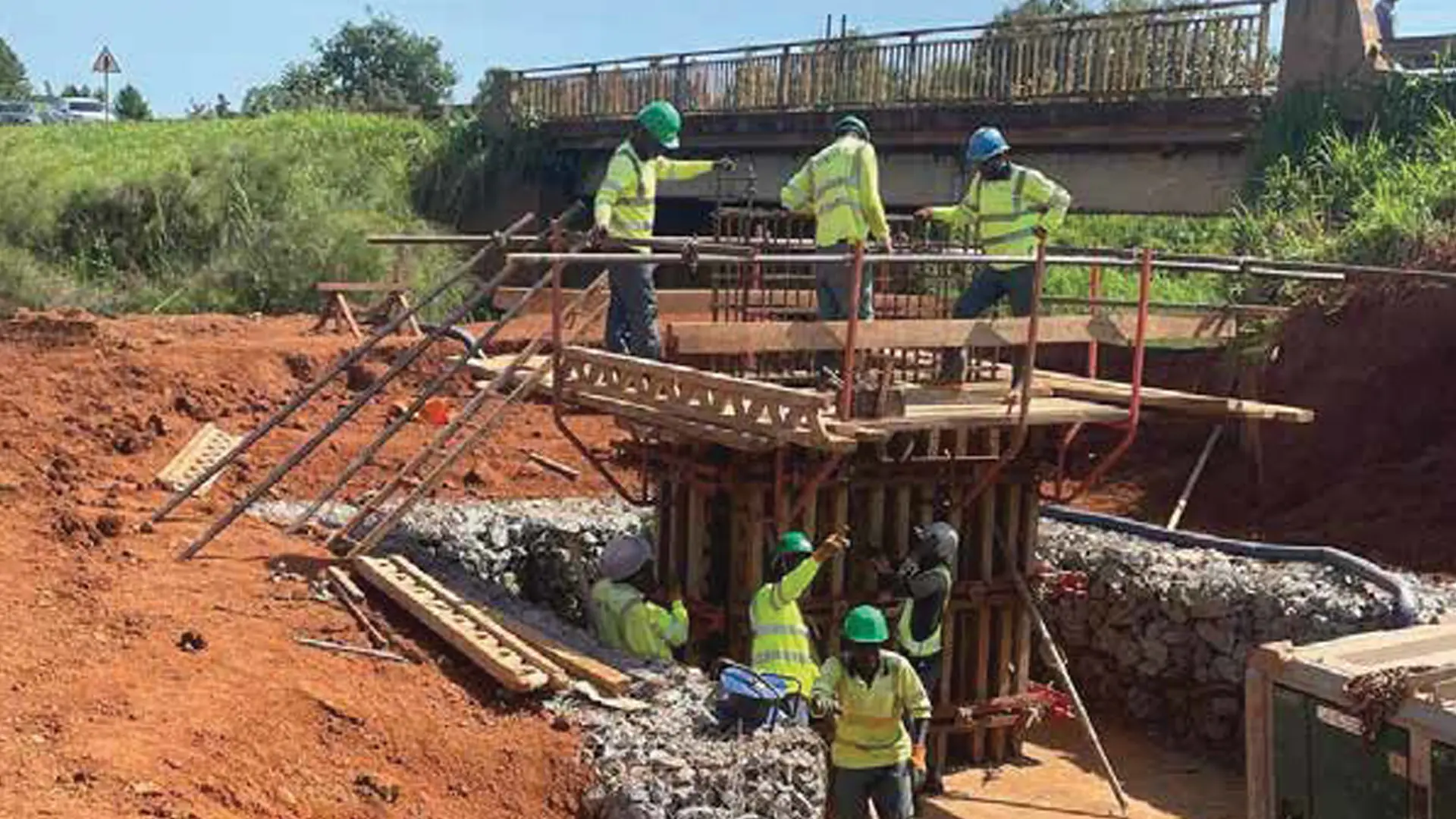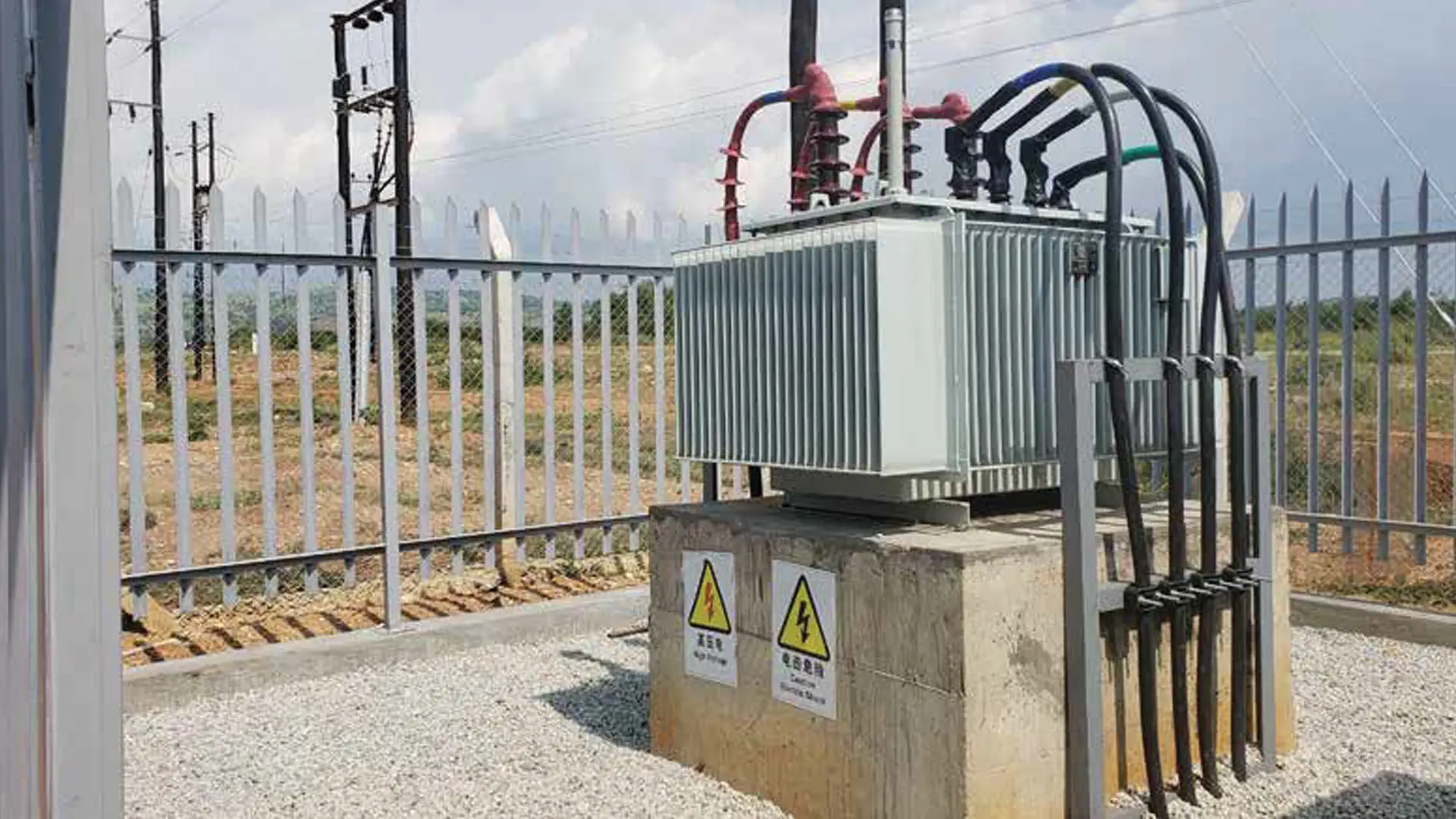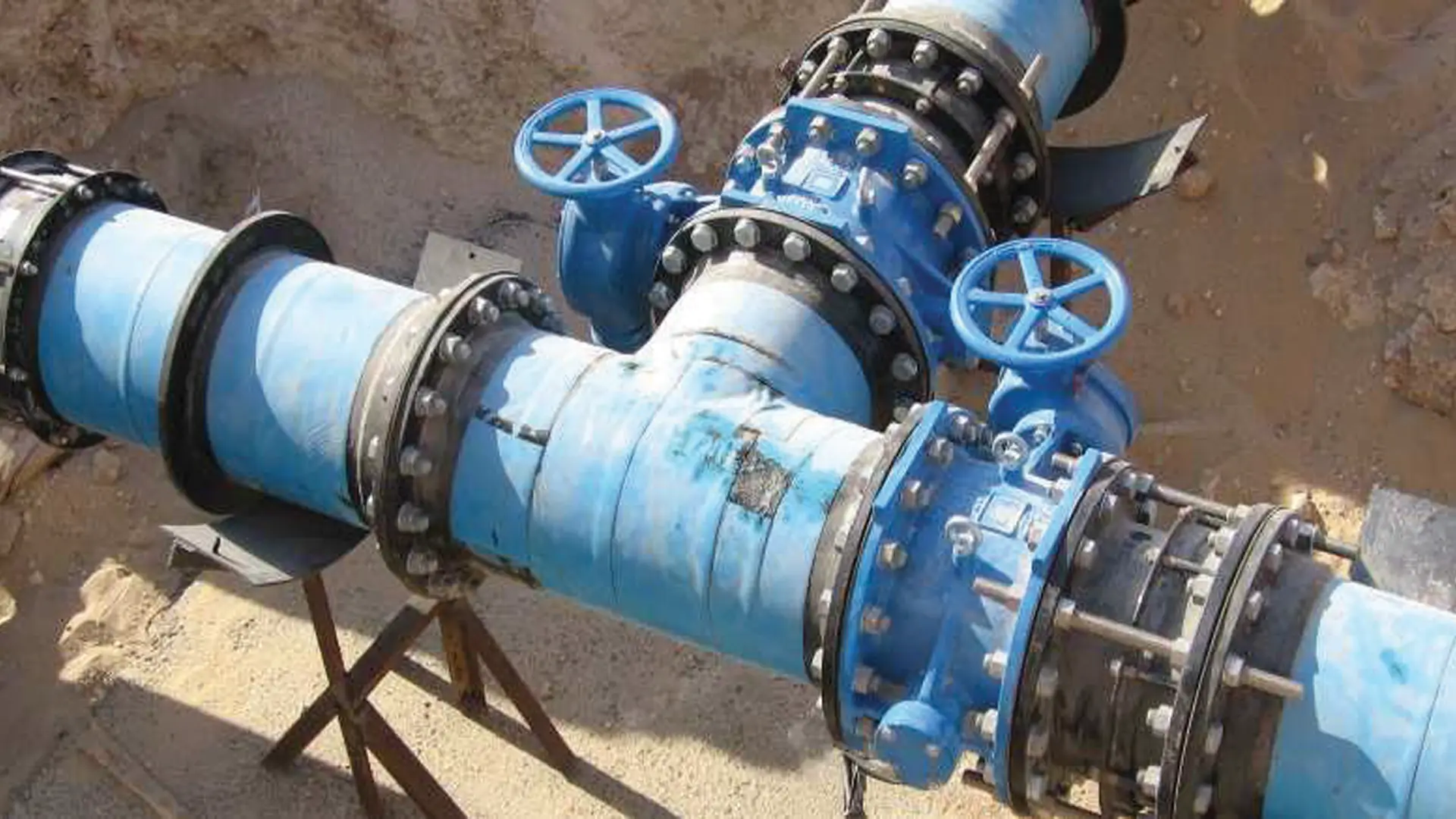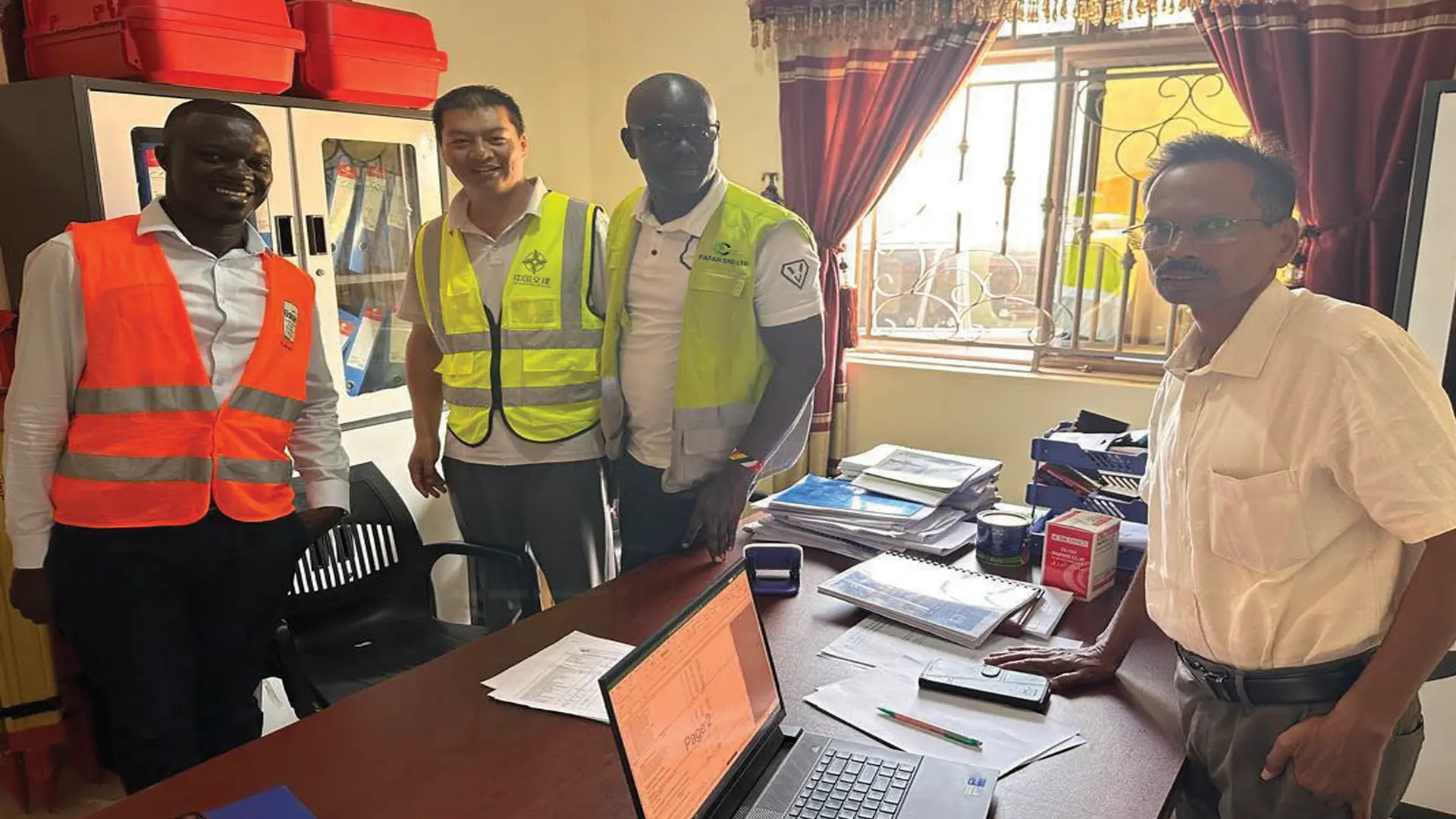
Handover is the controlled transfer of a completed asset, its operating knowledge and the responsibilities that continue after construction. A signed certificate may confirm a contractual milestone, but it does not by itself give the owner enough information to operate the system safely, verify performance, plan maintenance or resolve defects.

Good handover therefore begins before the final inspection. The client, consultant, contractor, suppliers and future operators should agree early what information will be required, who will prepare it, how it will be checked and when draft records must be submitted. Leaving this work until the last days of a project usually produces missing drawings, unlabelled test sheets, generic manuals and unresolved responsibilities.

Handover should be planned from the beginning

The most reliable handover records are created progressively during design, procurement and construction. Equipment data can be captured when items are approved, installation changes can be recorded while they are visible, and inspection or test evidence can be linked to the relevant asset as the work proceeds.

This approach also gives the future operator an opportunity to influence the information they will need. A technically complete installation may still be difficult to manage if isolation points are not identified, spare parts cannot be sourced, maintenance intervals are unclear or the client’s staff were not involved before completion.

As-built information must describe the installed asset

Design drawings and bills of quantities describe what was intended. As-built records should show what was actually constructed, including authorised changes made during implementation. They should reflect final routes, dimensions, equipment locations, capacities, model numbers, cable or pipe sizes, valve and isolation points, control arrangements and other information needed for future inspection or alteration.

For simple assignments, marked-up drawings and a verified equipment schedule may be proportionate. Larger or more complex assets may require coordinated drawing sets, survey data, digital models or structured asset registers. Whatever the format, the information should be legible, dated, revision-controlled and consistent with the completed site.

Testing and commissioning records should prove performance

A handover pack should not rely on a statement that the system was “tested and found satisfactory.” The record should identify the asset or circuit tested, the method used, the date, the measured result, the acceptance criteria and the person or organisation responsible.

Depending on the assignment, evidence may include:

  • Electrical continuity, insulation-resistance, earthing, protection-setting and functional-test records
  • Pressure, leakage, flow, pump-performance, disinfection and water-quality results
  • Concrete, compaction, material, alignment, load or structural inspection records
  • Control-panel, alarm, interlock, standby-power and emergency-shutdown demonstrations
  • Commissioning sheets showing that components operate together under expected conditions

Where the client or consultant is required to witness testing, the programme should allow time for attendance, review and retesting. Records prepared after the event from memory are weaker than evidence completed and signed during the actual inspection.

Physical completion and operational readiness are not the same

An asset may appear complete while the people receiving it are not yet ready to operate it. Operational readiness includes access to the correct procedures, competent personnel, consumables, tools, spare parts, maintenance arrangements, emergency contacts and authority to make decisions.

Operator training should be specific to the installed system. It may include normal start-up and shutdown, safe isolation, routine checks, cleaning, fault indications, emergency action, recording of readings and the limits beyond which specialist assistance is required. Attendance records alone are not enough; the training content, equipment covered and responsible trainer should also be recorded.

Operating and maintenance information must be usable

Manufacturer literature is useful, but a folder of unrelated brochures is not an effective operation and maintenance manual. The information should be organised around the installed asset and explain how the client should use and care for it in its actual configuration.

A practical O&M record may include:

  • A clear system description and operating sequence
  • Asset and equipment schedules with serial numbers and locations
  • Routine inspection, servicing, cleaning and replacement intervals
  • Safe-isolation procedures and relevant residual hazards
  • Consumables, recommended spares and approved substitute information
  • Supplier, installer, warranty and technical-support contacts
  • Templates for operating logs, inspections and maintenance records

The final format should match the client’s ability to store and retrieve it. Digital files should use sensible names and folders, while essential site information may also need to be available in printed form where internet access, power supply or device availability is unreliable.

Defects and incomplete items require controlled follow-up

Practical completion does not always mean that every minor item has been resolved. The handover record should distinguish between accepted work, defects, incomplete items, client-supplied activities and work assigned to another party.

Each open item should have a precise description, location, responsible party, target date and agreed method of verification. Photographs can help, but they should not replace a clear written record. Once an item is corrected, closure should be confirmed rather than assumed.

The defects-liability or rectification period should also be explained to the client: how faults will be reported, which contacts will respond, what is excluded from the contractor’s responsibility and what records the operator should keep.

Warranties are only useful when their conditions are understood

A warranty certificate without the related conditions can create false confidence. Some warranties depend on approved installation, scheduled servicing, use of specified consumables, timely registration or notification of faults within a set period.

The handover pack should identify the coverage period, start date, exclusions, maintenance obligations, claim procedure and supporting evidence required. Where several suppliers are involved, the client should not have to reconstruct the warranty chain after a failure occurs.

Health, safety and environmental information must continue into operation

Residual risks do not disappear at completion. The receiving organisation may need information on buried services, confined spaces, hazardous materials, lifting points, access restrictions, stored energy, safe maintenance zones, isolation procedures, waste handling or environmental controls.

This information should be accurate enough to support future work and should be passed to the people responsible for the asset, not stored only in a project archive. Where records contain security-sensitive details, access and distribution should be controlled without making essential safety information unavailable to authorised users.

Formal acceptance should record what has been transferred

A handover meeting or certificate should identify the asset, the agreed completion status, the documents and keys transferred, the training completed, the test evidence accepted, the outstanding items and the date on which operational responsibility changes.

The client should have time to review the handover information rather than receiving a large package for the first time at the signing meeting. Document registers, revision numbers and acknowledgement of receipt help both parties confirm exactly what was provided.

Aftercare helps close the gap between design and operation

Some problems become visible only when users occupy a facility, demand increases, seasons change or equipment has operated for a meaningful period. A planned aftercare stage allows the delivery team to respond to early operational questions, correct defects, review performance and complete seasonal or deferred commissioning where relevant.

This does not remove the operator’s maintenance responsibility. It creates a structured transition in which early lessons are recorded and the asset can be adjusted or supported before small issues become persistent failures.

A proportionate infrastructure handover pack may include

  • Signed inspection, completion, acceptance and document-transfer records
  • Verified as-built drawings, layouts, schedules and approved variation records
  • Inspection, test, commissioning and performance results
  • Asset registers, equipment data, serial numbers and location information
  • Operating procedures, maintenance plans, manuals and log templates
  • Training records and system-demonstration sign-offs
  • Warranty certificates, conditions, supplier contacts and spare-parts information
  • Defects and outstanding-items registers with owners and closure dates
  • Relevant health, safety, environmental and residual-risk information
  • Agreed aftercare, reporting and escalation arrangements
Effective handover is not an administrative appendix to construction. It is the point at which physical work, verified information and operational responsibility are brought together. The level of documentation should remain proportionate to the assignment, but it must be accurate, traceable and usable by the people who will depend on the asset after completion.