Technical Training & Workshops
Hands-on sessions for technical teams, operators and community representatives using demonstrations, guided practice and discussion linked to the systems or responsibilities they manage.
PAPAN provides role-based training, institutional mentorship, workshop facilitation, water-utility governance support, operations and maintenance strengthening and knowledge transfer.
Training is designed around participant responsibilities, existing capability, operating systems, practical tasks, materials and the follow-up needed for application.
Capacity building is strongest when participants can apply the learning to the systems, services and decisions they manage.
PAPAN designs practical training for technical teams, operators, institutions, Water User Committees, hand-pump mechanics and community structures.
PAPAN can deliver focused training or coordinate assessment, facilitation, practical exercises, mentoring and follow-up support.
Hands-on sessions for technical teams, operators and community representatives using demonstrations, guided practice and discussion linked to the systems or responsibilities they manage.
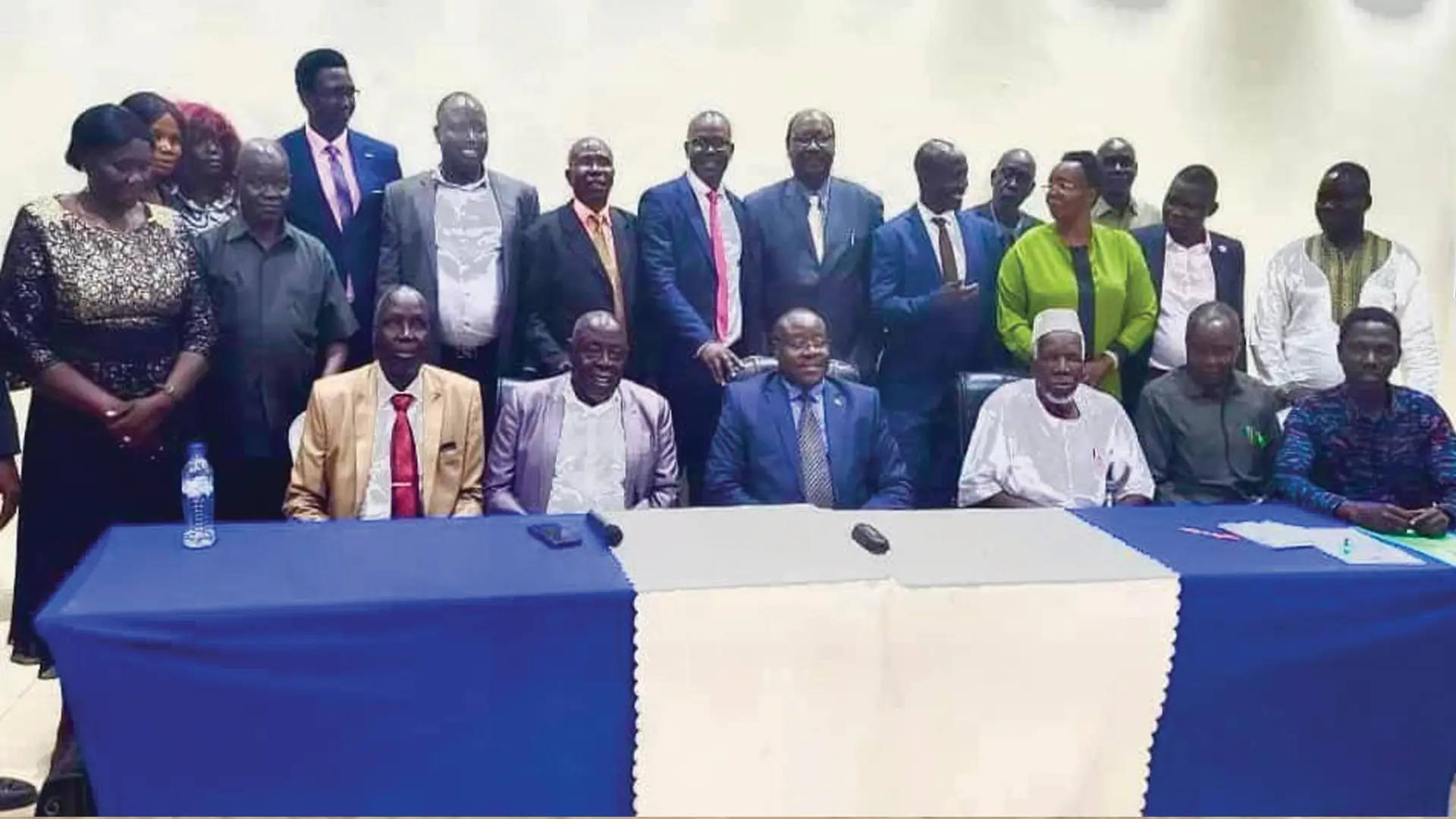
Support for governance, committee roles, decision-making, coordination, accountability and service-delivery responsibilities.
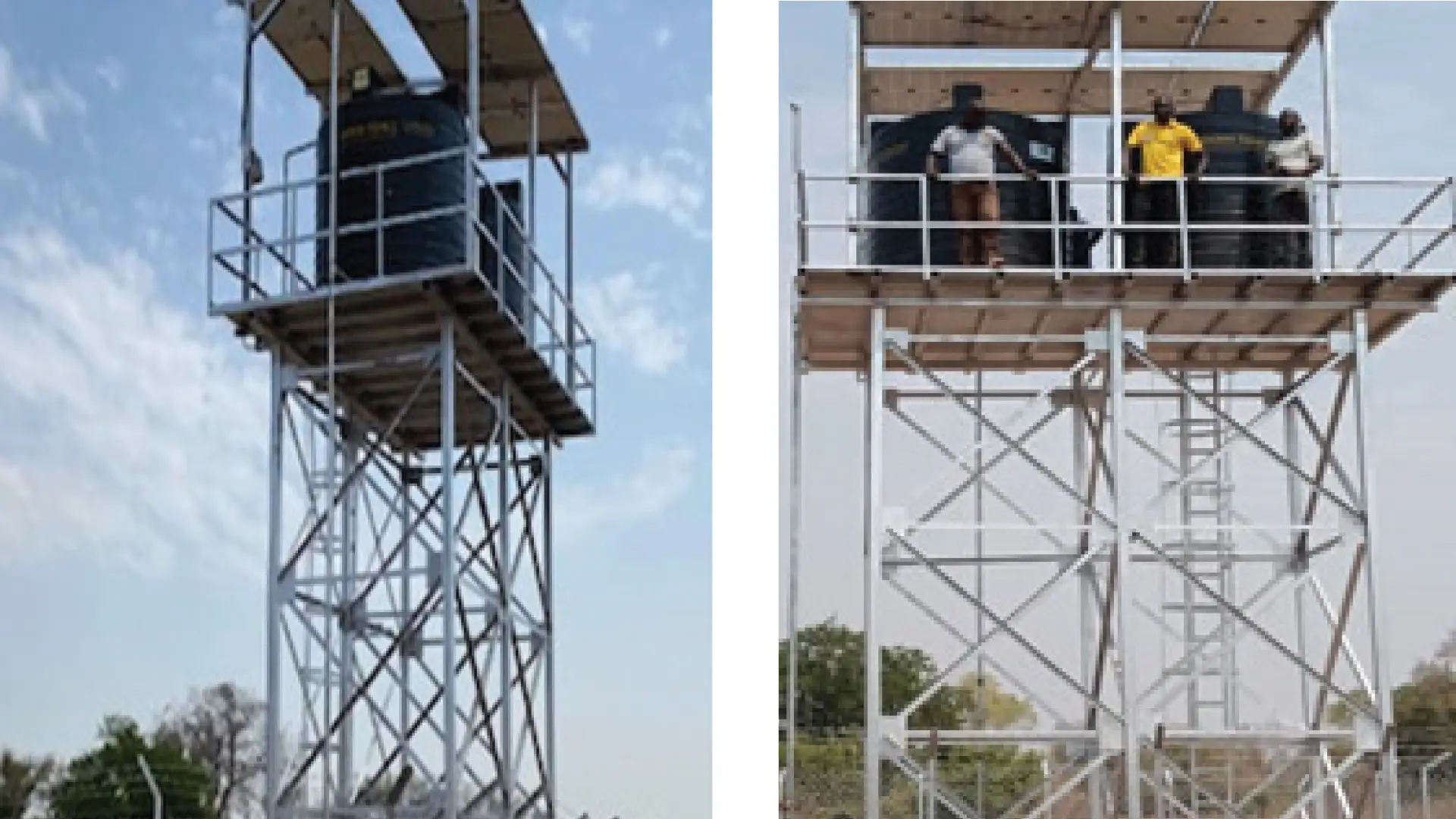
Review of ownership, maintenance arrangements, resourcing, operator capacity, reporting and the conditions needed to keep services functioning.
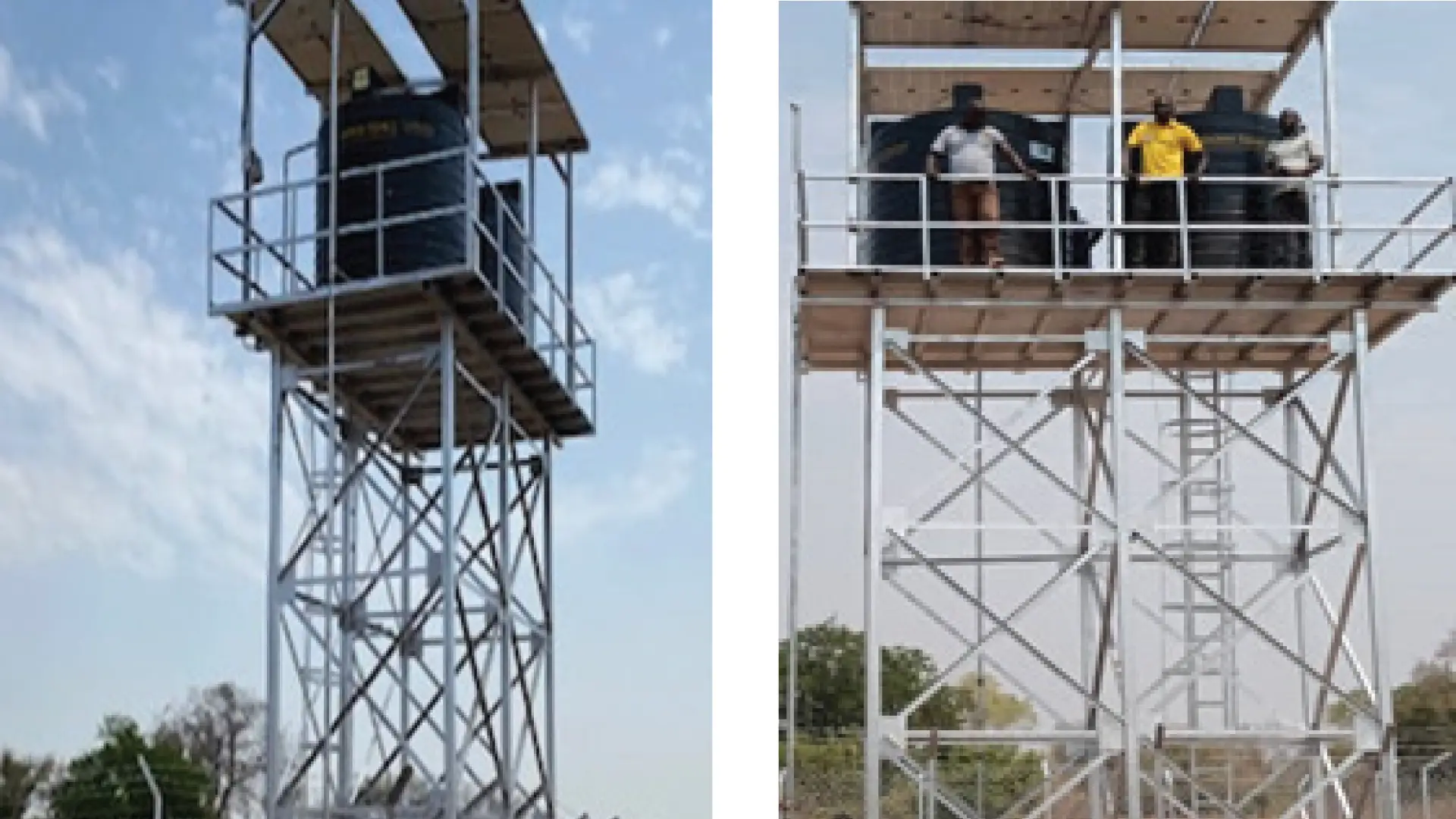
Assessment of current systems, staff roles, strengths, gaps, reporting arrangements and priorities for improvement.
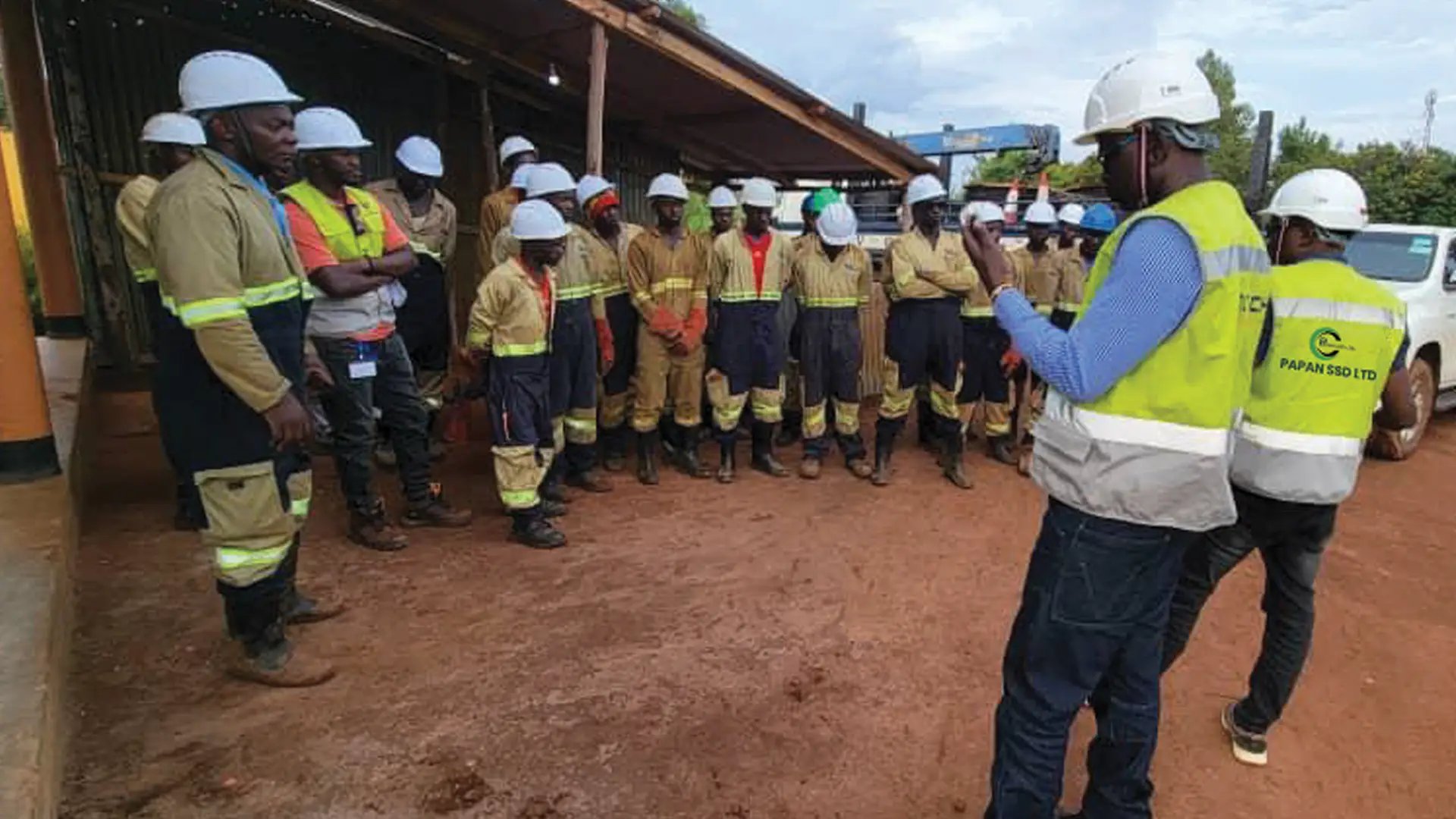
Practical guidance for teams responsible for operating water systems, facilities, equipment or other infrastructure, including routine checks, preventive maintenance and fault reporting.
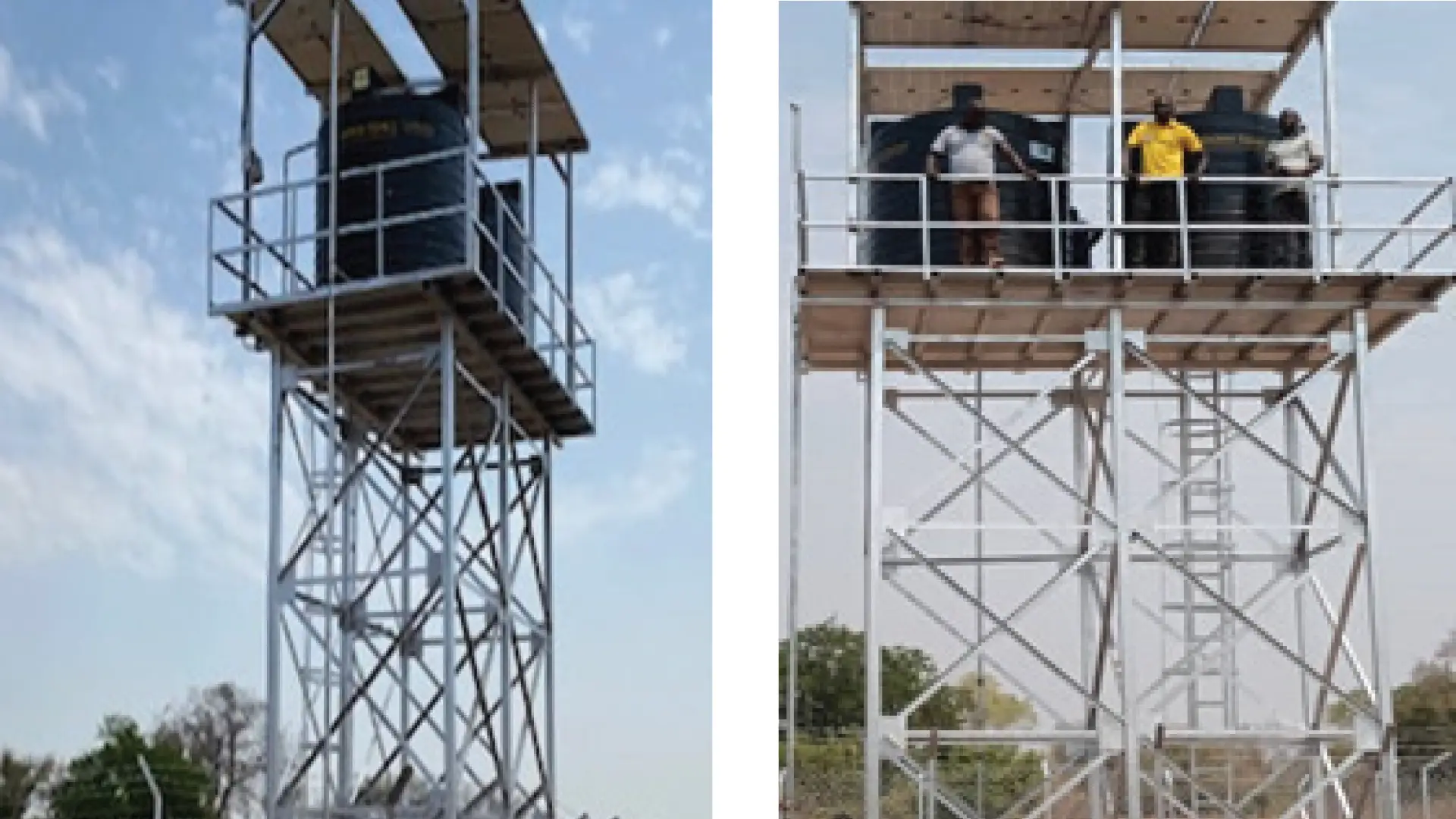
Coaching, demonstrations, job aids, reference materials and follow-up support designed to retain skills within the institution or community.
PAPAN’s water-sector partnership framework includes workshops, seminars, stakeholder engagement, institutional coordination and local capacity support.
The partnership covers technical mentorship, workshops, seminars, stakeholder participation, institutional coordination and local knowledge transfer.
Read the case studyTraining is linked to the systems, duties and decisions participants handle in real working conditions.
Participants understand who operates, maintains, reports, approves and follows up after the training.
Skills, materials and operating knowledge remain with the institution, committee or community structure.
Review experience involving operators, Water User Committees, hand-pump mechanics, community structures and institutional stakeholders.
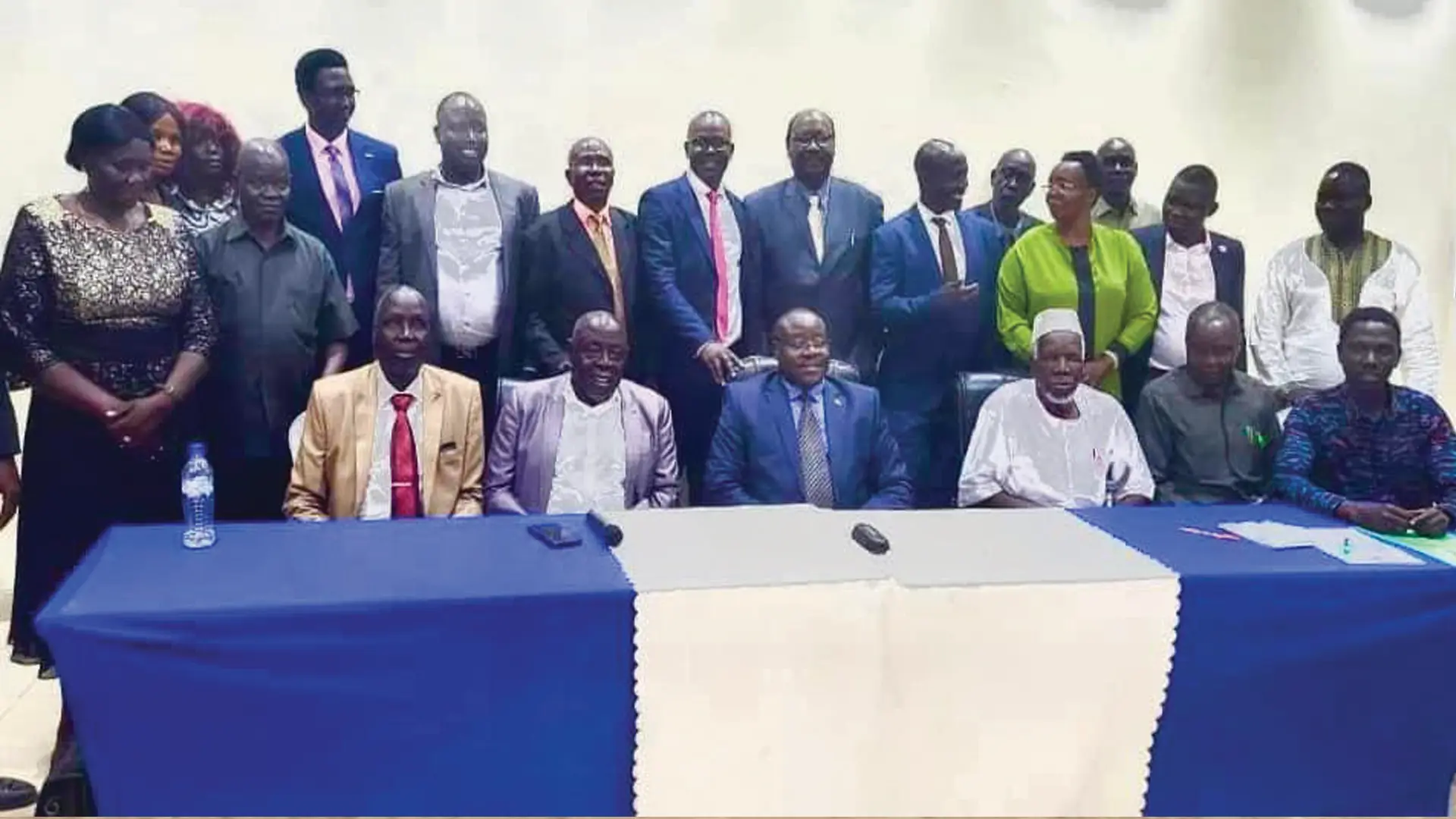
Review project records involving technical teams, institutions, Water User Committees, community structures, operations and maintenance, reporting, governance and knowledge transfer.
Training is most effective when it is linked to the infrastructure, programme design and performance information participants are expected to manage.
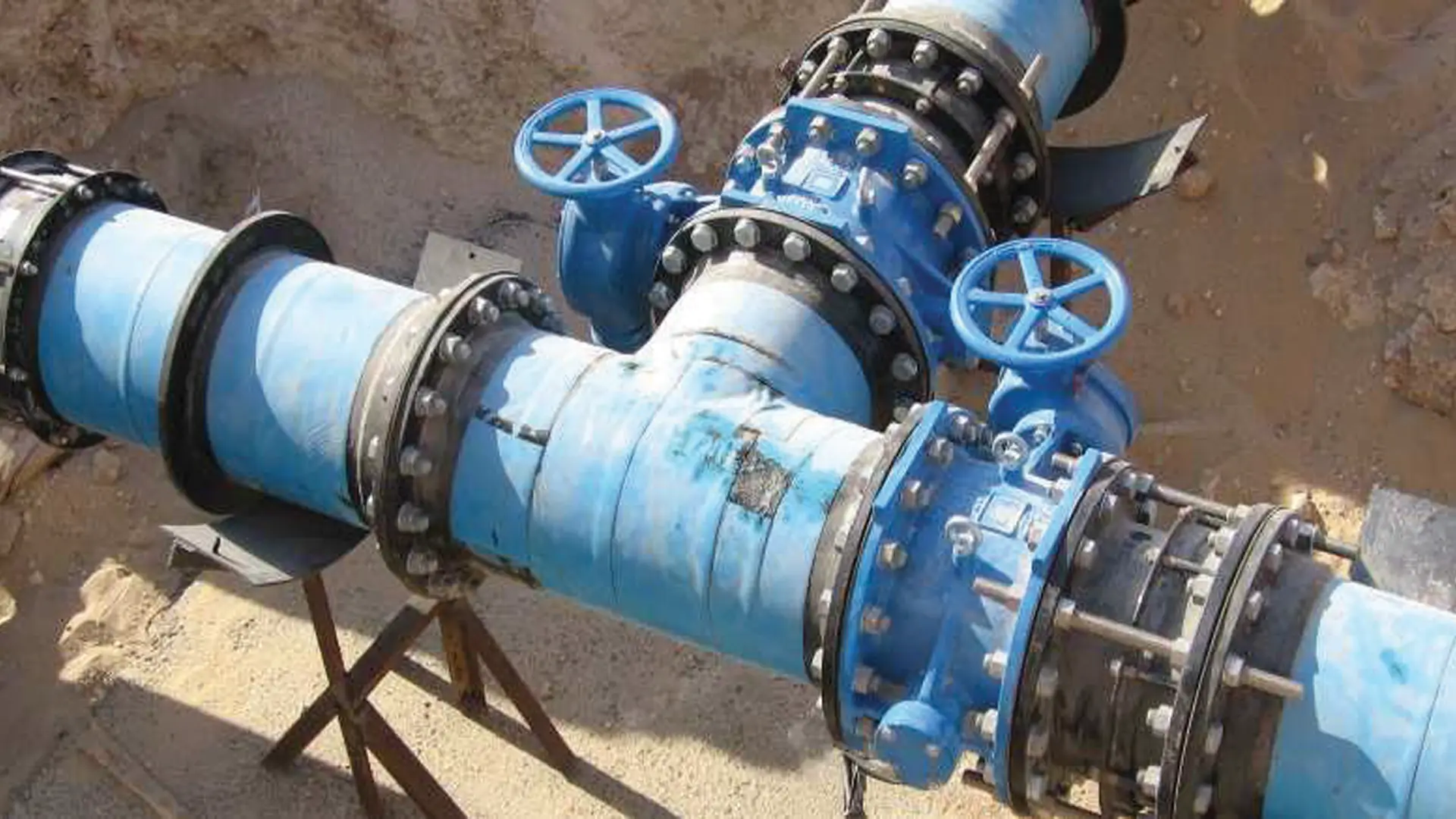
Operator guidance, Water User Committee support and practical maintenance training linked to boreholes, pumps, storage, pipelines and community water points.
Explore Civil & Water Engineering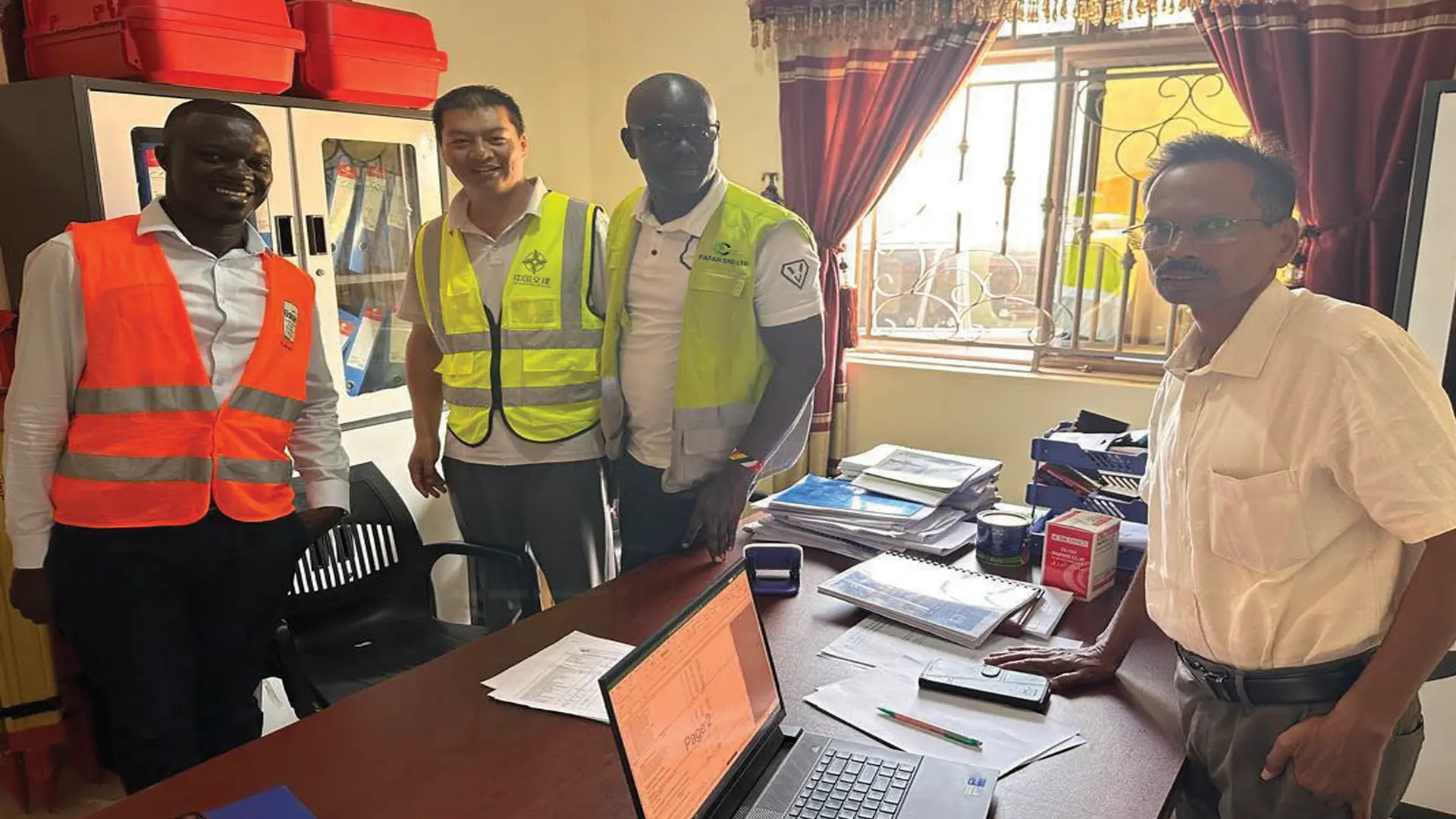
Assessment of participant needs, roles, institutional gaps and expected outcomes before developing a structured training or institutional-strengthening programme.
Explore Consultancy & Programme Design
Participant feedback, learning checks, follow-up reviews and documentation used to understand whether knowledge is being applied after the training.
Explore Monitoring, Evaluation & LearningTraining is strongest when participant responsibilities, institutional systems, performance evidence and follow-up support are connected.
Define institutional roles, stakeholder responsibilities, programme logic and implementation arrangements.
Review consultancy servicesStrengthen evidence collection, reporting, accountability, learning and improvement processes.
Review MEL services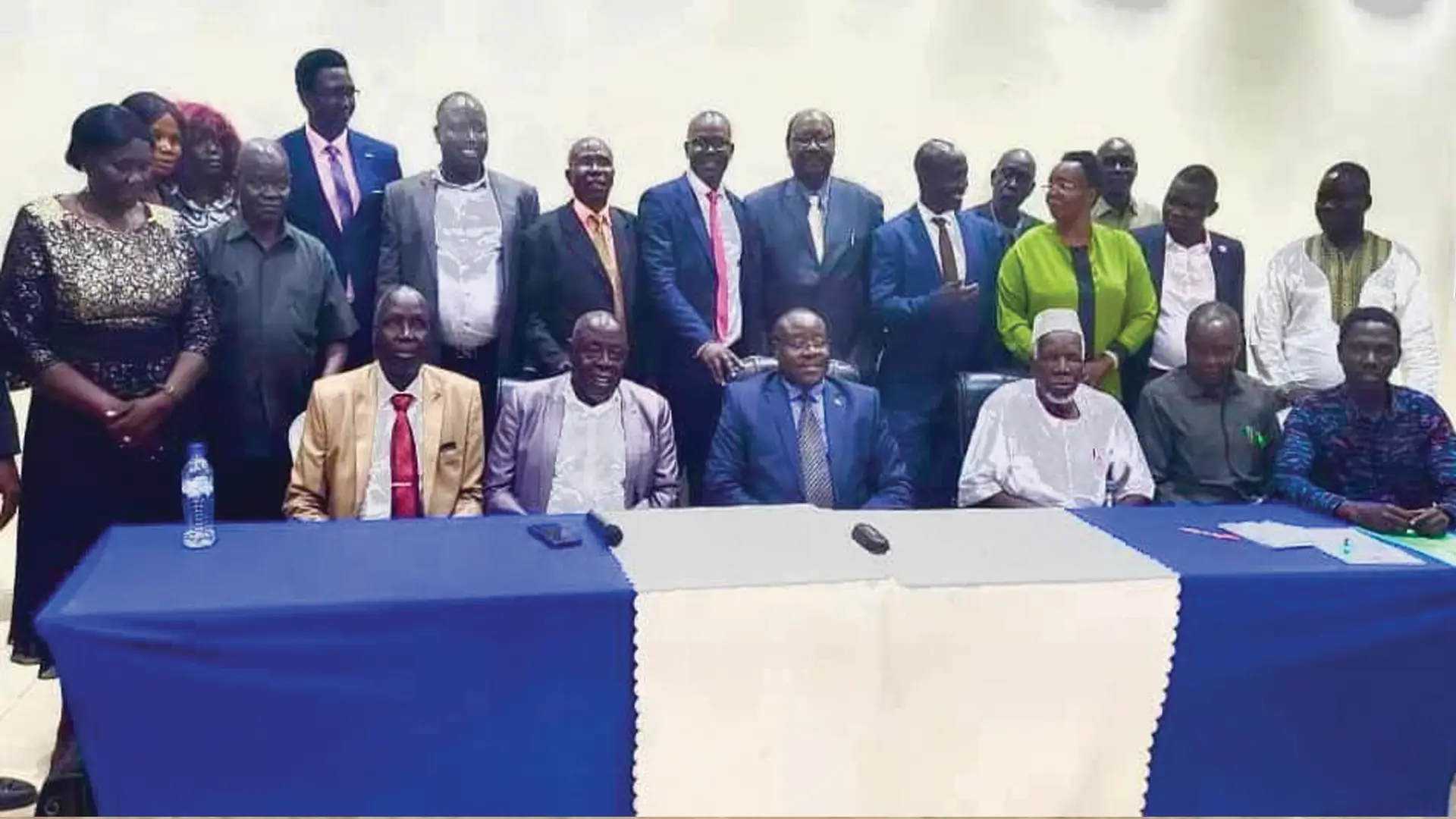
Review workshops, training assignments and supporting project evidence.
Explore training projectsYes. Training can be designed around operator, technician, institutional, community or management responsibilities.
Yes. O&M, safety, fault reporting, routine checks, governance and record-keeping can be included according to the system or institution.
Yes. Community water management, committee responsibilities and practical mechanic training can be included where relevant.
Yes. Workshops, facilitation, mentoring, practical exercises and follow-up support can form part of the programme.
Materials, attendance records, assessments, workshop documentation and reports can be included according to the agreed scope.
Share the participant groups, roles, required skills, location, language, duration, expected outputs and timeline.
Share the participant groups, responsibilities, required skills, location, preferred format, duration, expected outputs and timeline.
Juba Office: Juba Grand Hotel, Juba Town
Phone: +211 92 5619 703 / +211 92 156 5529
WhatsApp: +256 772 688 945
Email: info@papangroup.com