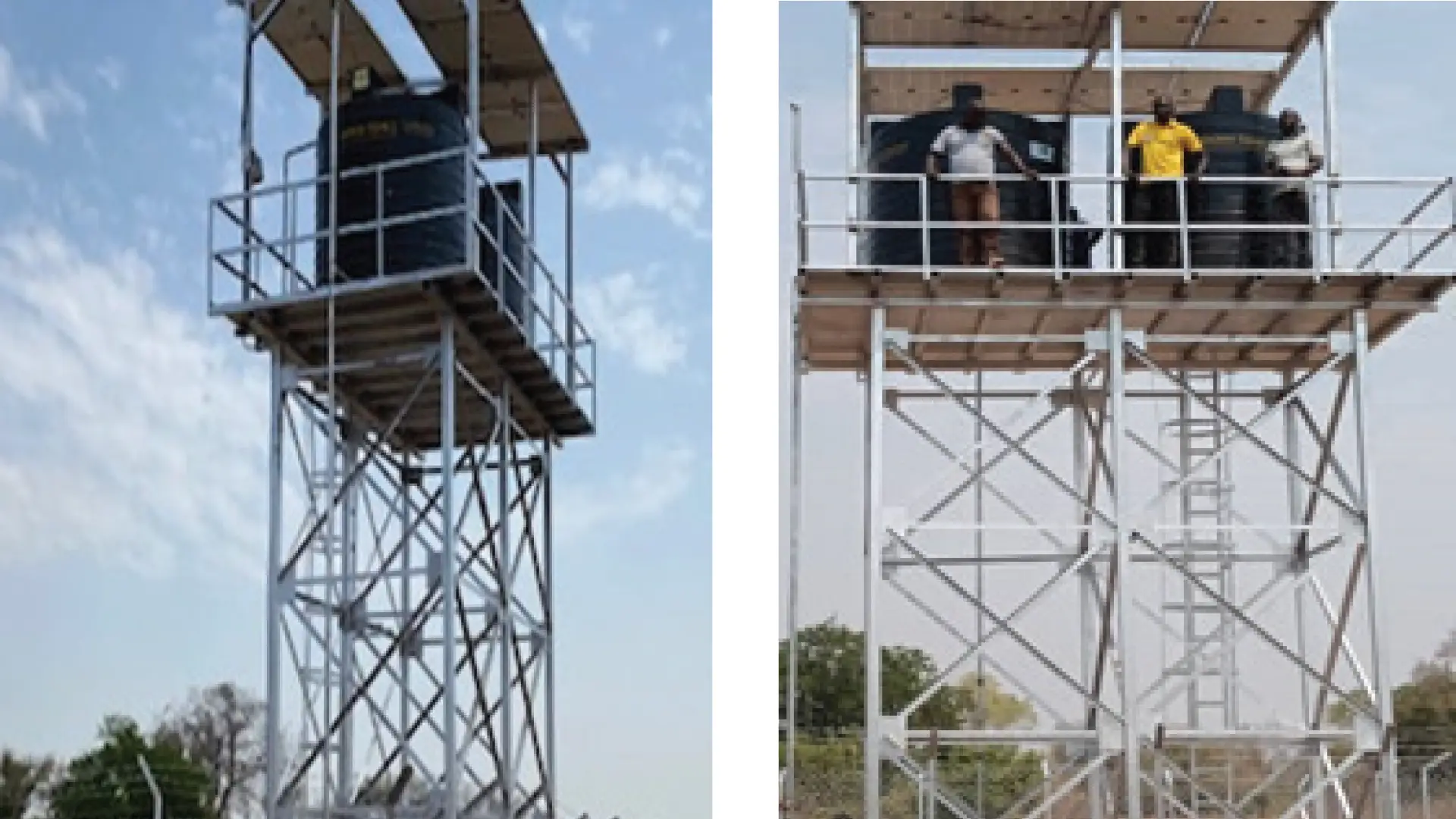
Water and power projects are often discussed first in terms of equipment: a borehole, pump, solar array, transformer, generator, storage tank or distribution line. Yet the success of the completed system depends just as much on the conditions around that equipment. Demand may change, roads may become inaccessible during the rainy season, imported components may take months to arrive, and the organisation receiving the asset may have limited maintenance funding or technical staff.
Planning therefore has to connect engineering decisions with geography, climate, logistics, institutional capacity and long-term operation. A technically correct design that ignores these factors can become expensive to build, difficult to commission and unreliable after handover.
Define the service need before selecting the equipment
The first question is not which pump, transformer or solar panel to purchase. It is what service the project must provide, to whom, at what level and for how long.
For a water system, this means establishing the number and type of users, daily and peak demand, hours of collection, institutional requirements, livestock or commercial use, storage needs and expected population growth. A health facility, school, market and residential settlement may all require different service arrangements even where the same water source is used.
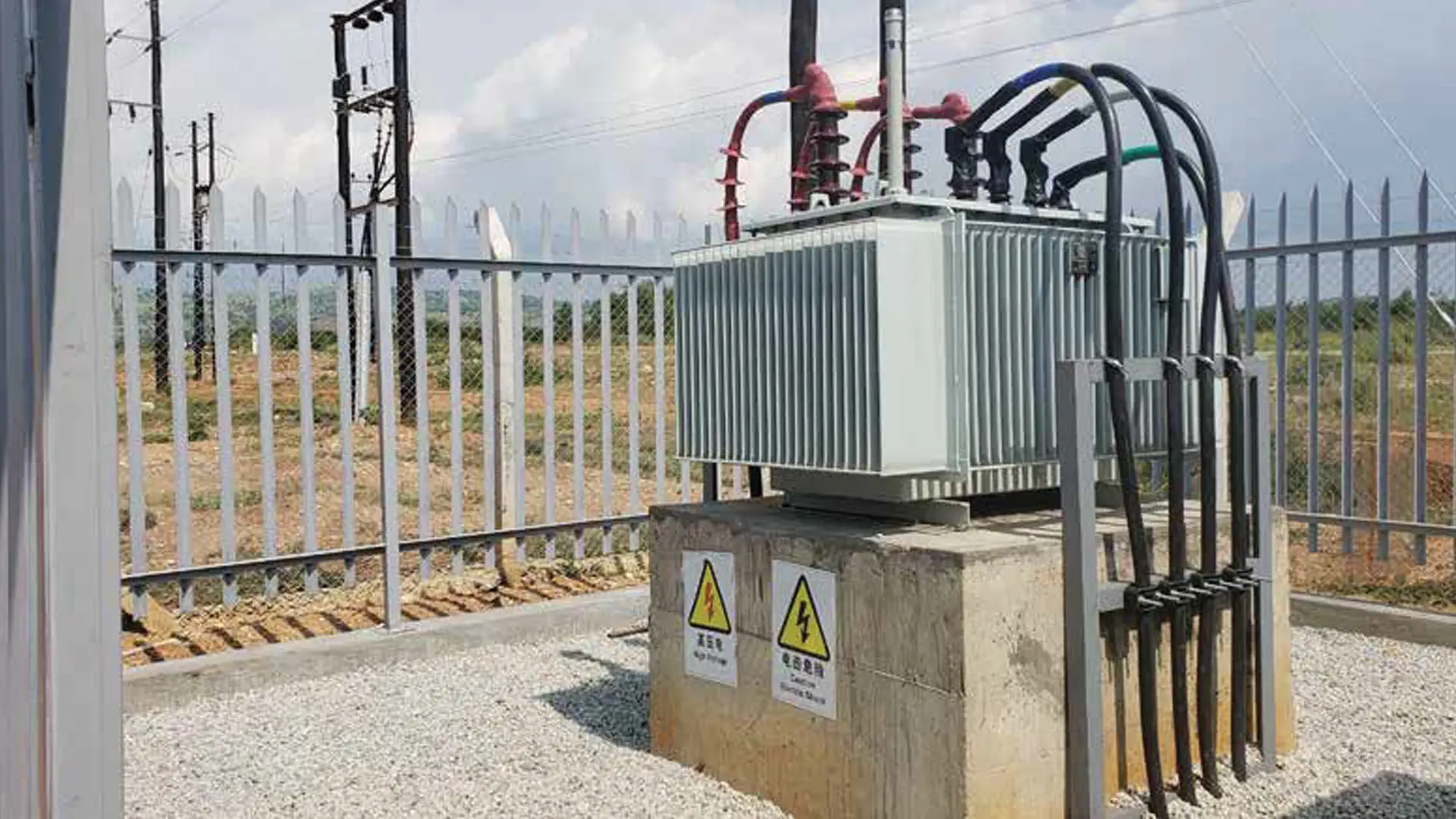
For electrical infrastructure, the planning team should identify connected loads, starting currents, operating hours, critical circuits, future expansion, power-quality requirements and the consequences of interruption. Essential health, communications, pumping or security loads may require different levels of redundancy from non-critical services.
Investigate the source and site rather than designing from assumptions
A site visit and appropriate investigations should confirm whether the proposed source and location can support the required service. Existing drawings, local knowledge and photographs are useful, but they should not replace measurements and competent verification.
Water planning may require information on borehole yield, static and dynamic water levels, seasonal variation, water quality, pumping head, source protection, drainage and the distance to storage and users. Power planning may require confirmation of the available supply, voltage, network condition, fault levels, earthing, protection, connection requirements and space for equipment and safe access.
The investigation should also identify land boundaries, ownership or access rights, buried and overhead services, flood paths, unstable ground, public movement, security risks and nearby activities that may affect construction or operation.
Plan for climate, seasons and physical access
In many parts of South Sudan, Uganda and neighbouring markets, the same site can have very different access conditions across the year. Heavy rainfall may cut roads, flood low-lying areas, delay transport or prevent concrete, steel, poles and heavy equipment from reaching site. Dry-season heat, dust and wildfire exposure can also affect workers, electronics, moving parts and stored materials.
The programme should therefore be built around realistic travel and construction windows. It should allow for route surveys, bridge and vehicle limitations, security procedures, river crossings, customs clearance, local storage, accommodation, fuel, communications and emergency arrangements. A delivery date based only on supplier lead time is incomplete if the final journey to site has not been considered.
Coordinate water, civil, electrical and control interfaces early
Infrastructure systems operate as connected assemblies. A pump duty affects electrical demand; the electrical supply affects motor starting and control; tank elevation affects pressure; pipe diameter affects losses; foundation design affects equipment stability; and fencing, drainage and access affect both safety and maintenance.
Key interfaces should be agreed before procurement and construction, including:
- Pump duty, motor rating, supply voltage and control method
- Solar-array capacity, mounting position, cable routes and protection
- Tank size, elevation, structural loading, overflow and drainage
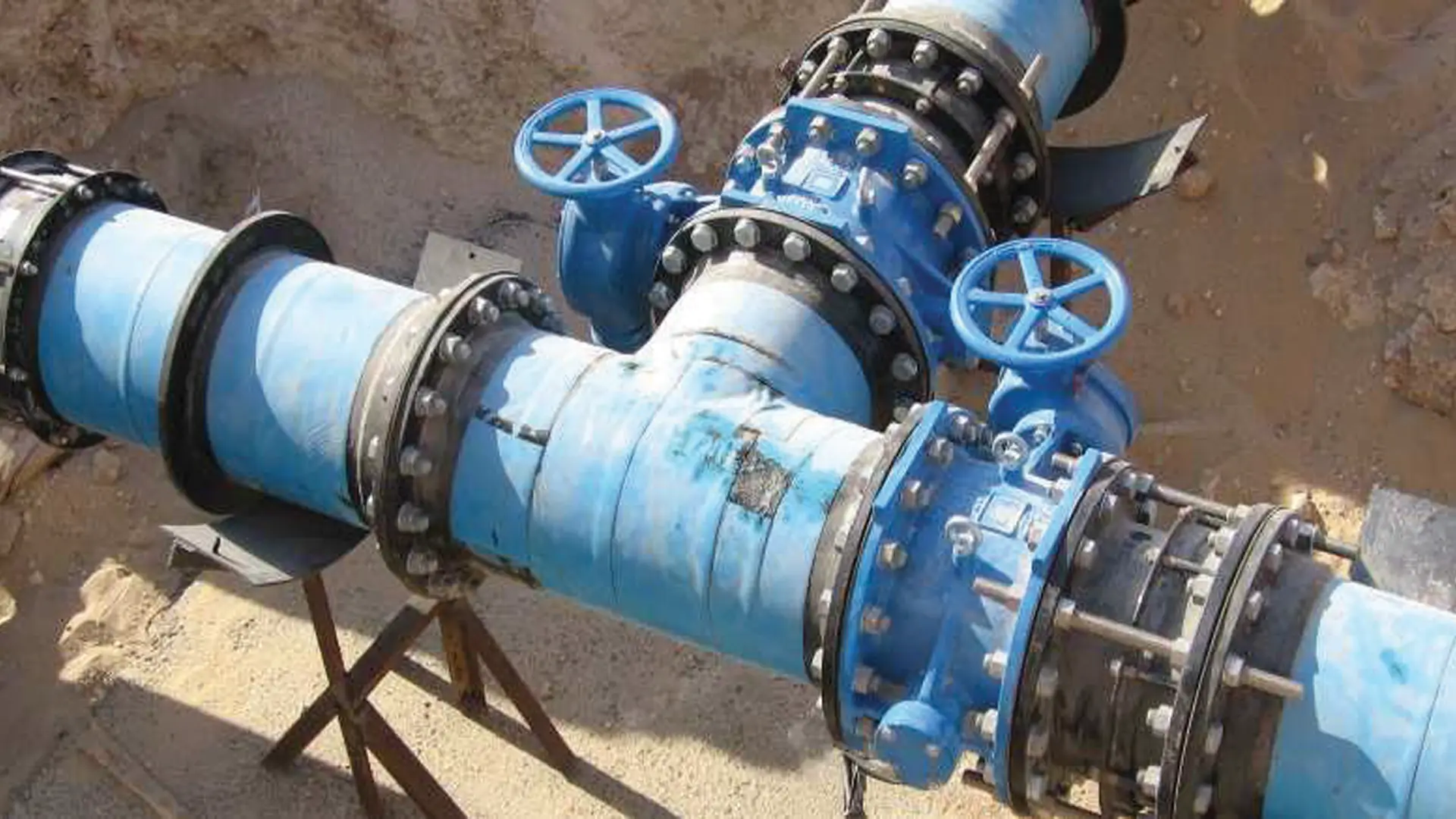
- Pipe routes, pressure class, isolation points and public crossings
- Transformer, panel, generator or inverter locations and ventilation
- Earthing, lightning protection, fencing and safe working clearances
- Control signals, alarms, level sensing and emergency shutdown arrangements
Responsibility for each interface should be clear. Otherwise, separate suppliers may each deliver their own package while leaving gaps between them.
Select equipment for duty, environment and supportability
Lowest purchase price is not the same as lowest whole-life cost. Equipment should match the approved duty and the conditions in which it will operate, including temperature, dust, humidity, voltage fluctuation, pressure, water chemistry and expected usage.
Availability of spare parts and competent technical support should influence selection. A sophisticated component may perform well initially but become difficult to restore if the nearest replacement part, programming tool or authorised technician is outside the country. Standardisation across similar sites can reduce the number of spares and skills an operator must maintain.
Procurement specifications should identify acceptable performance, materials, standards, testing, documentation, warranties and after-sales support without unnecessarily restricting competition to a single brand.
Build logistics and quality control into procurement
Long-distance transport can damage solar modules, panels, pumps, pipes, tanks and precision equipment before installation begins. The procurement plan should cover packaging, loading, transit protection, insurance, customs documentation, unloading, lifting and secure storage.
Materials should be inspected when they arrive, not only when installation starts. Quantity, model, rating, serial number, visible condition and supporting documentation should be checked against the approved schedule. Storage conditions should protect electrical equipment from moisture and dust, prevent pipe distortion, and reduce theft or unauthorised use.
Prepare the site before specialised equipment arrives
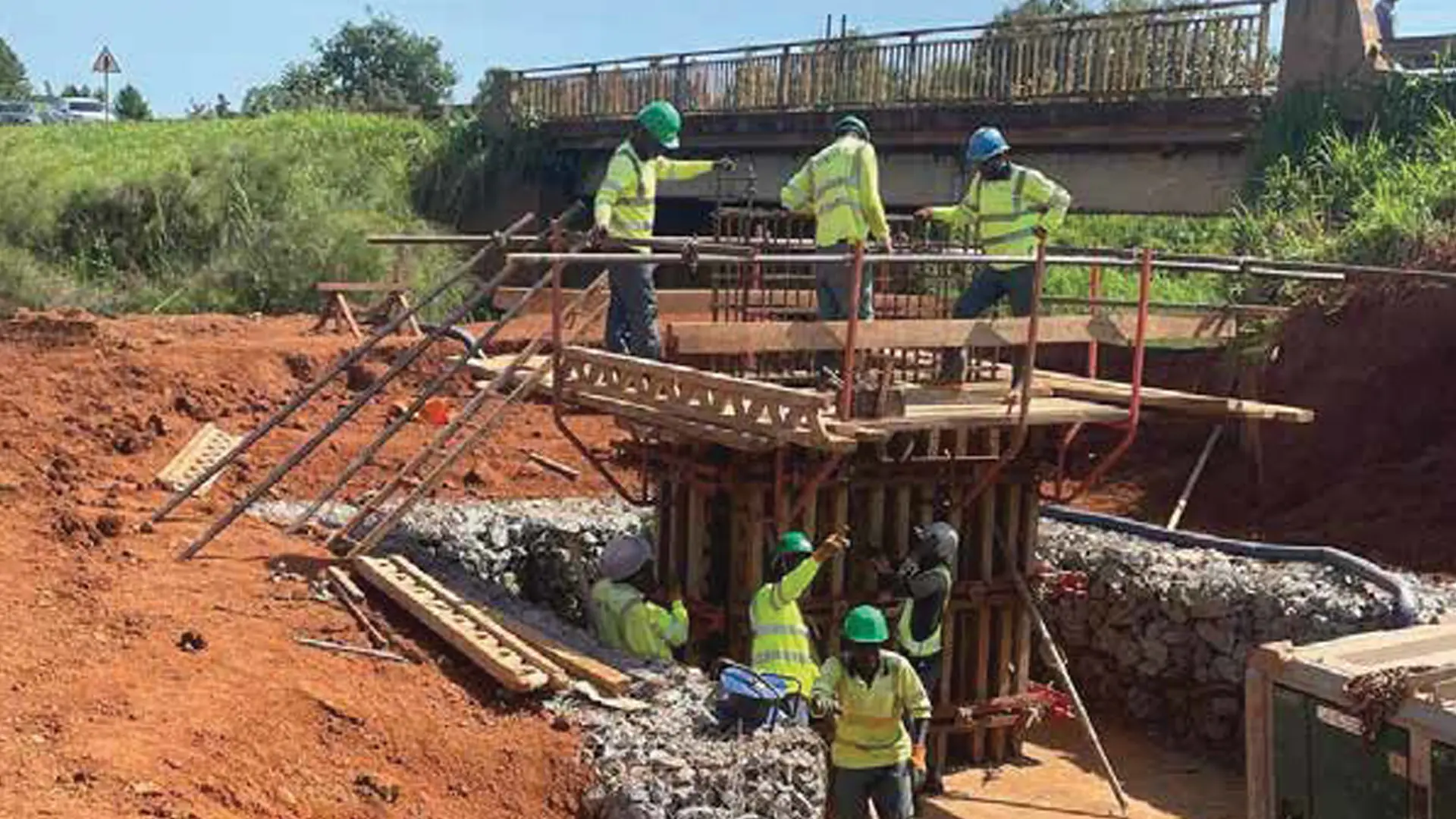
Mobilising installers before foundations, routes, access or approvals are ready creates delay and repeated travel. Civil works, trenches, supports, drainage, fencing, equipment rooms and lifting arrangements should be coordinated with the installation sequence.
Construction readiness also includes approved drawings, method statements, risk assessments, permits, utility isolations, competent supervision and agreed inspection points. Where work affects an operating school, health facility, business or community service, shutdowns and temporary arrangements should be planned in advance.
Address safety and environmental risks throughout delivery
Water and power projects may involve excavation, lifting, work at height, electrical energy, rotating machinery, pressurised systems, chemicals, traffic and public access. Controls should reflect the actual site rather than a generic safety plan.
Environmental planning may need to address source sustainability, erosion, drainage, spoil disposal, vegetation clearance, fuel and oil management, noise, waste, water discharge and protection of nearby users. Community communication is important where construction changes access routes, collection points or service availability.
Design the operating arrangement alongside the physical system
Before commissioning, there should be a clear answer to who owns the asset, who operates it, who pays for routine maintenance and how faults will be reported and escalated. Where a community, institution or utility is expected to manage the system, its authority and resources should match that responsibility.
The operating plan should cover routine checks, cleaning, meter or log readings, security, consumables, spare parts, planned servicing, emergency action and contact with specialist technicians. For shared water systems, it may also include collection rules, tariff or contribution arrangements, protection of the source and a process for resolving complaints.
Commission the complete system, not isolated components
Individual equipment tests are necessary, but commissioning should also demonstrate that the full system works together under expected conditions. A pump may run correctly while tank controls, pipe pressure, protection settings or distribution performance remain unresolved.
Depending on the assignment, commissioning may include:
- Electrical continuity, insulation, earthing and protection tests
- Pump, flow, pressure, leakage and storage-filling checks
- Water-quality sampling and disinfection records
- Control, alarm, interlock and standby-power demonstrations
- Operational trials under normal and peak-demand conditions
- Correction and retesting of identified defects
Results should identify the equipment tested, method, measured value, acceptance requirement, date and responsible person.
Prepare operators before handover
Training should be based on the installed arrangement, not only on a manufacturer’s general manual. Operators should understand normal start-up and shutdown, isolation, inspections, cleaning, fault indications, emergency response and the point at which specialist assistance is required.
Handover information should include as-built drawings, equipment and serial-number schedules, operating procedures, maintenance intervals, warranties, supplier contacts, spare-parts information, test results and outstanding actions. Essential instructions may need both digital and printed formats where connectivity or power access is unreliable.
Budget for maintenance and replacement from the start
Infrastructure begins to age as soon as it enters service. Filters, seals, bearings, electrical contacts, batteries, protection devices, valves and other components may require inspection or replacement long before the main asset reaches the end of its life.
The project budget should distinguish initial construction from recurring operation, planned maintenance, emergency repair and eventual component replacement. A system without an affordable maintenance route may provide strong early performance but deteriorate quickly once the first fault occurs.
Monitor service performance after completion
Completion records confirm what was built; operational monitoring shows whether it continues to provide the intended service. Useful indicators may include water production, storage recovery, downtime, power availability, voltage quality, faults, maintenance response, water quality, user access and operating cost.
Early aftercare allows the project team and operator to review performance, resolve defects and adjust operating procedures. Longer-term monitoring should remain proportionate and focused on decisions the owner can act upon.