A clear project brief helps the engineering team understand who needs water, what already exists, what is failing and what the proposed system should achieve.
Define the service need
Begin with the people or facilities that need water, the current service problem and the result the project should achieve. State whether the requirement is for a new system, rehabilitation, expansion, emergency repair or technical assessment.
Describe the existing source or system
Provide available information on the borehole, surface-water source, pipeline or existing installation. Include borehole logs, yield tests, water-quality results, pump details, storage capacity and known seasonal changes where these records exist.
Estimate demand in practical terms
State the number and type of users, normal operating hours, expected growth and any activities with higher demand. Schools, health facilities, markets, households and livestock points may use water differently. Demand information influences pumping capacity, storage and distribution.
Explain the system being considered
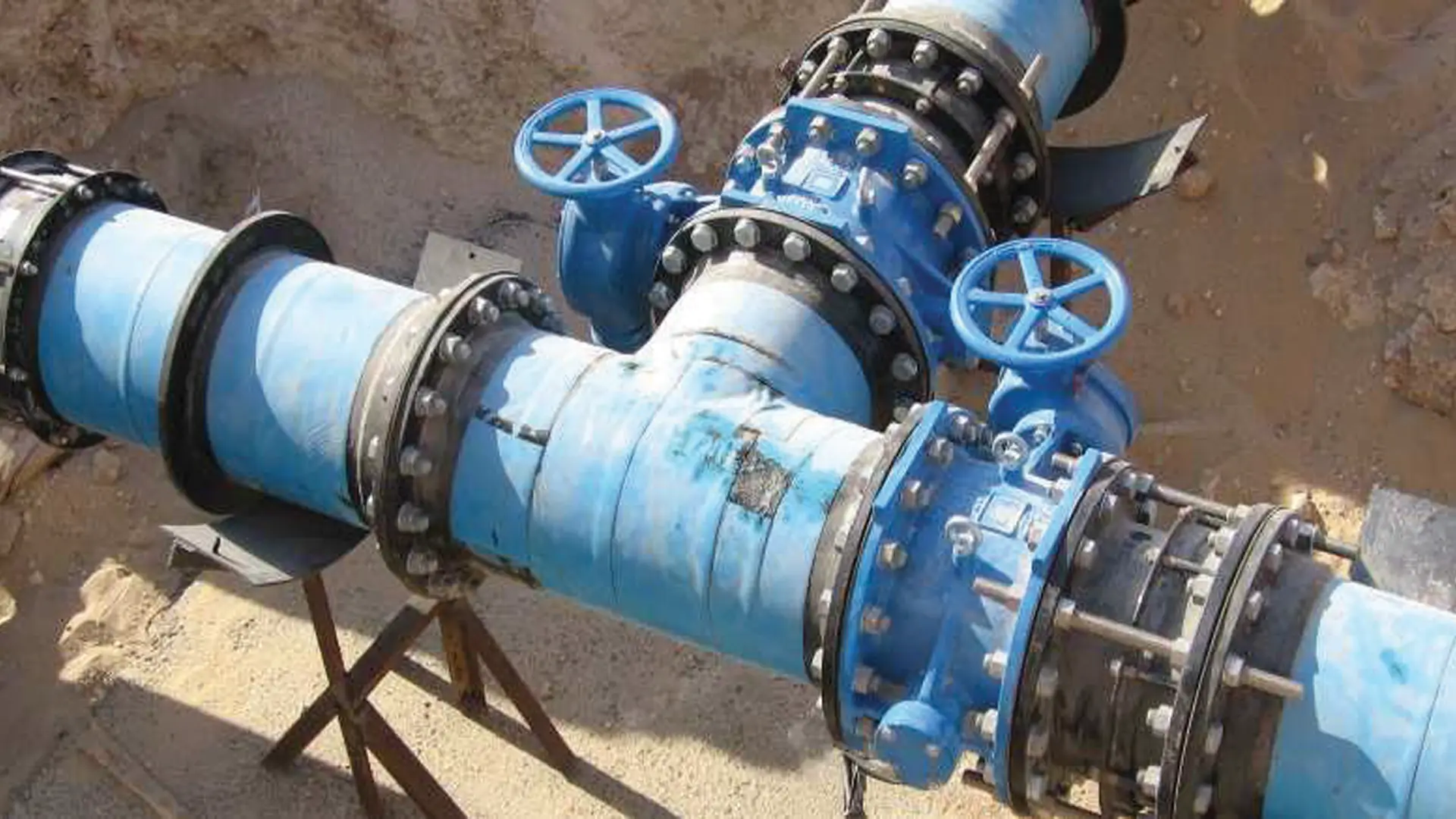
Describe whether the project may require pumping, elevated or ground storage, pipelines, treatment, public collection points or institutional connections. Approximate distances and height differences are useful even before a detailed survey is available.
Explain the site and access
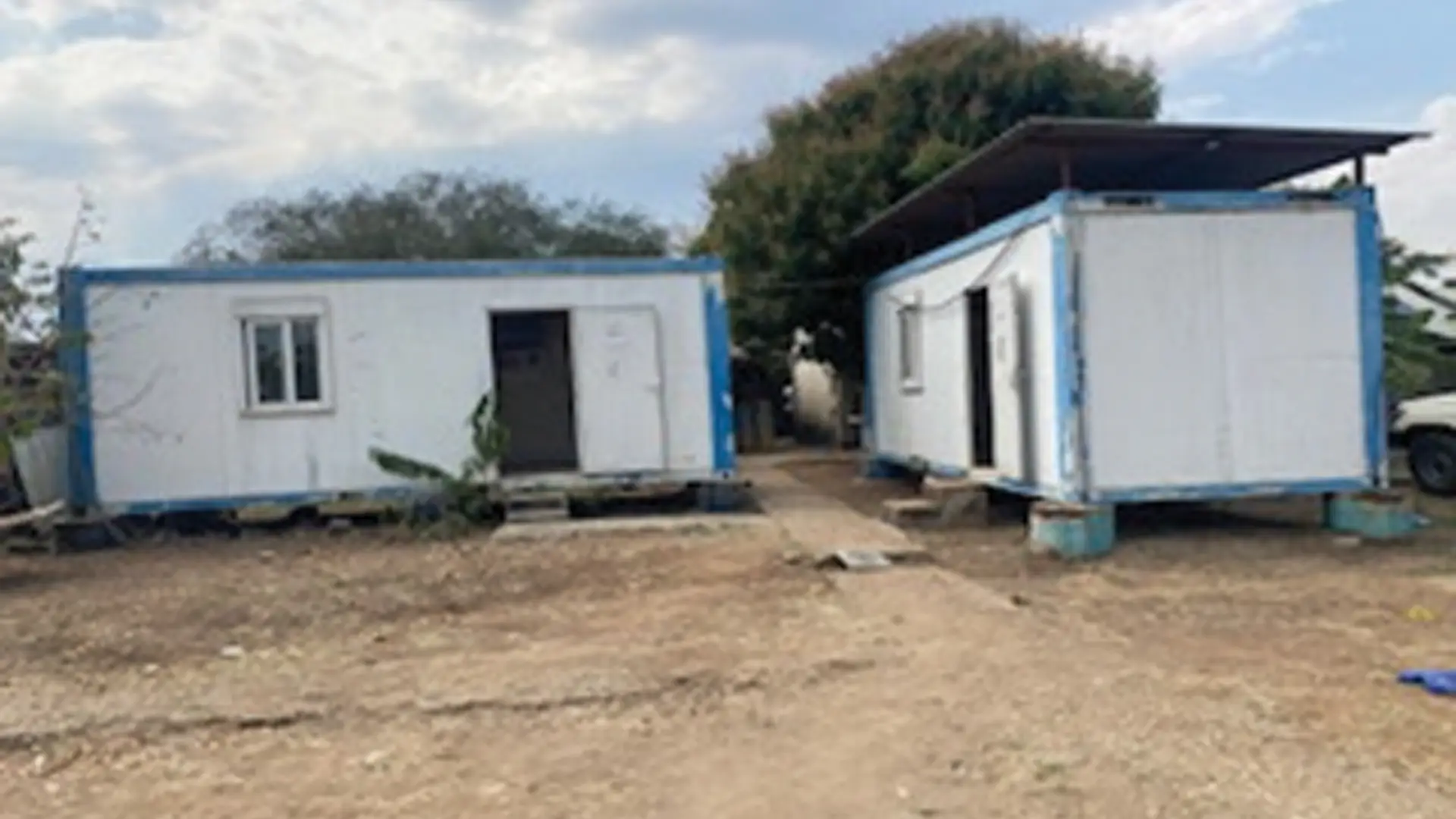
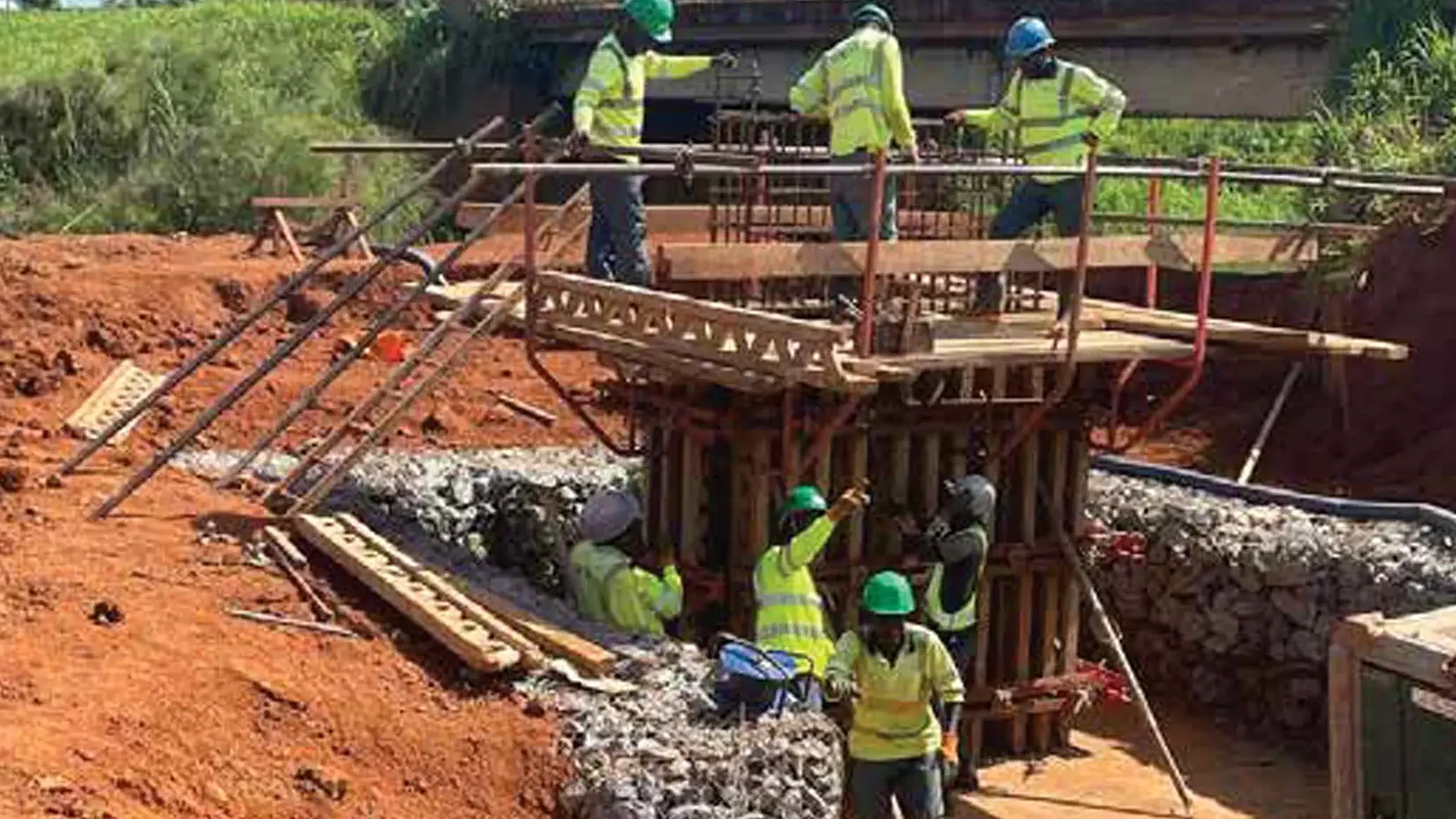
Share the location, terrain, access conditions, land considerations, security restrictions and recent photographs. Mention whether heavy vehicles, drilling equipment or lifting equipment can reach the site.
State the available documents
Attach drawings, bills of quantities, previous reports, test results, tender documents or terms of reference. Identify which information is confirmed and which remains an estimate.
Clarify procurement and timing
Explain the funding or tender stage, required completion date, approval process and the decision expected after PAPAN reviews the brief. This helps determine whether the next step is clarification, a site assessment, a technical proposal or a quotation.
Keep the brief clear and usable
A useful brief does not need to be long. It should make the service problem, location, users, existing assets and expected outcome easy to understand. Missing information can then be listed for confirmation during the next stage.
Publication information
Publication: PAPAN Insights
Publisher: PAPAN South Sudan Ltd
Editorial byline: PAPAN Insights Editorial Team
Technical review: PAPAN Technical Team
Published: 26 July 2026
Corrections and enquiries: info@papangroup.com