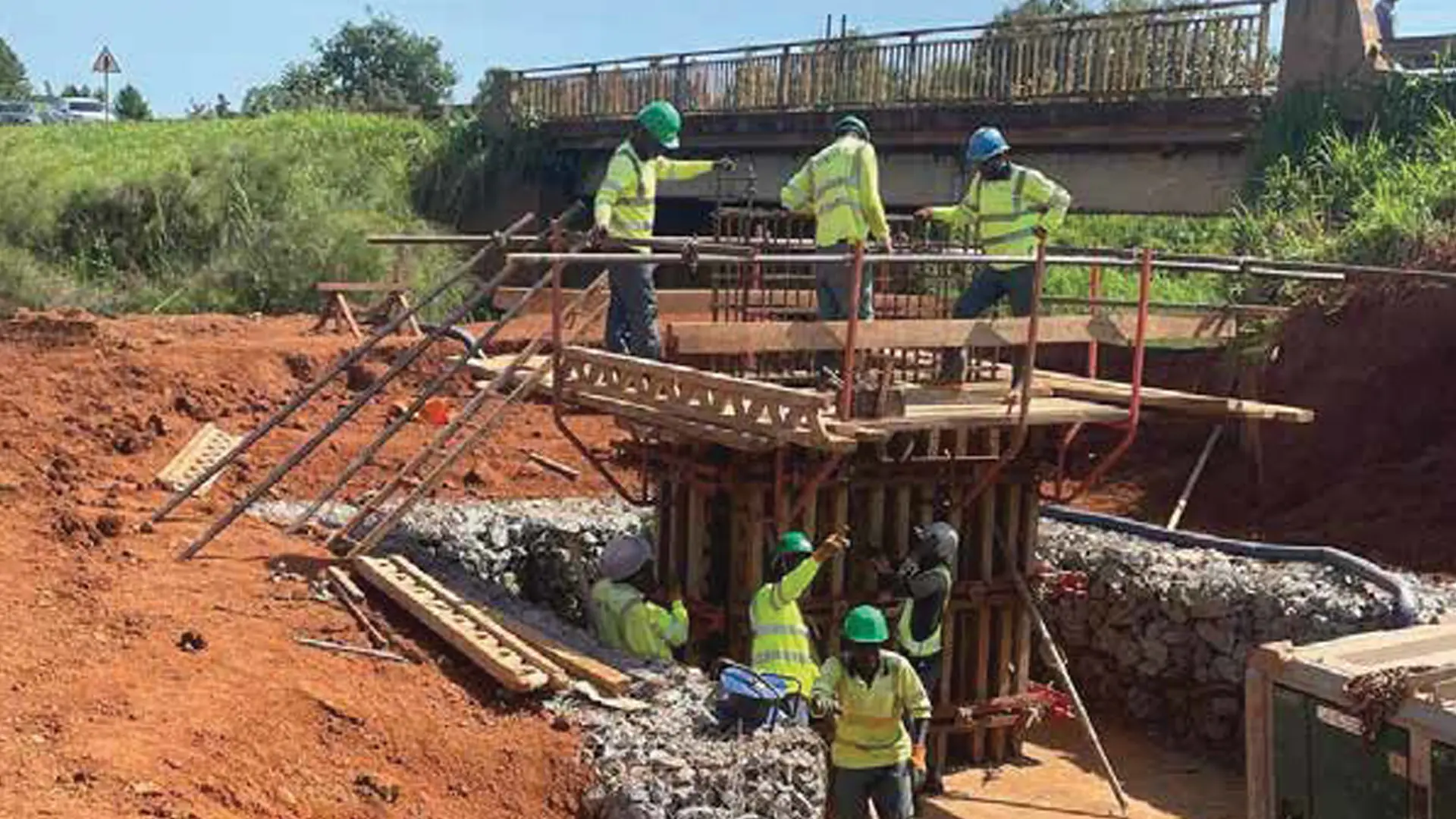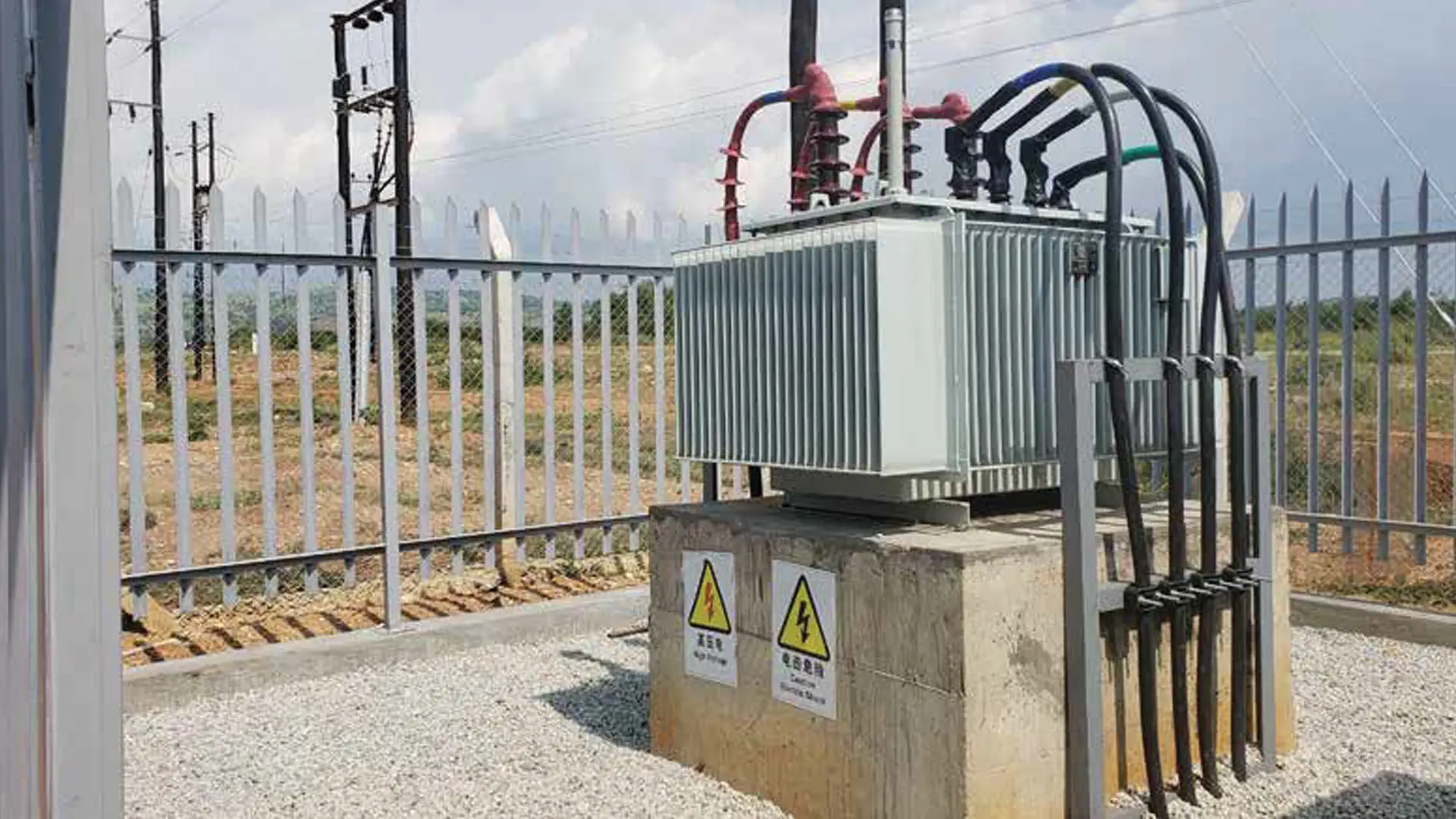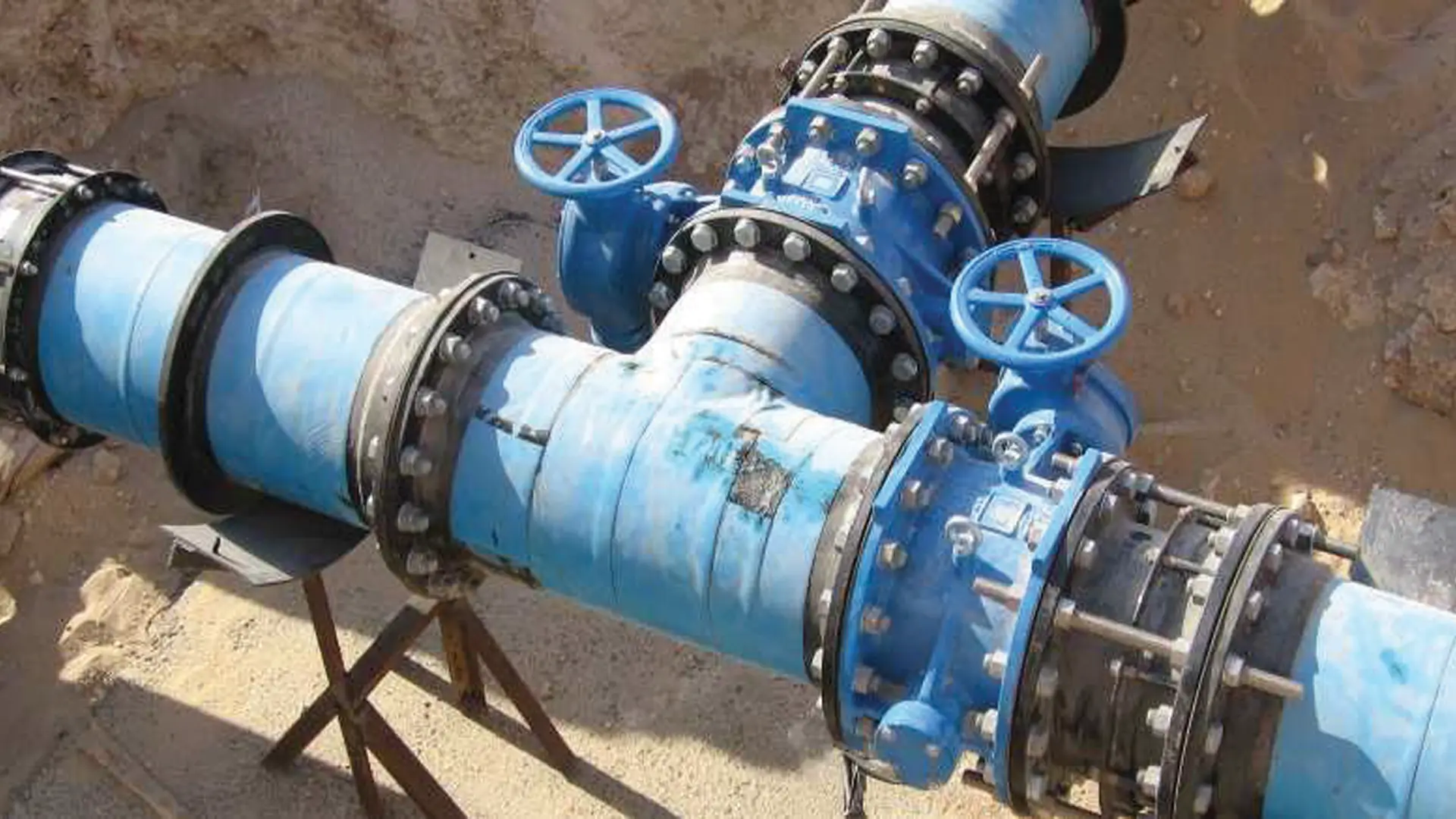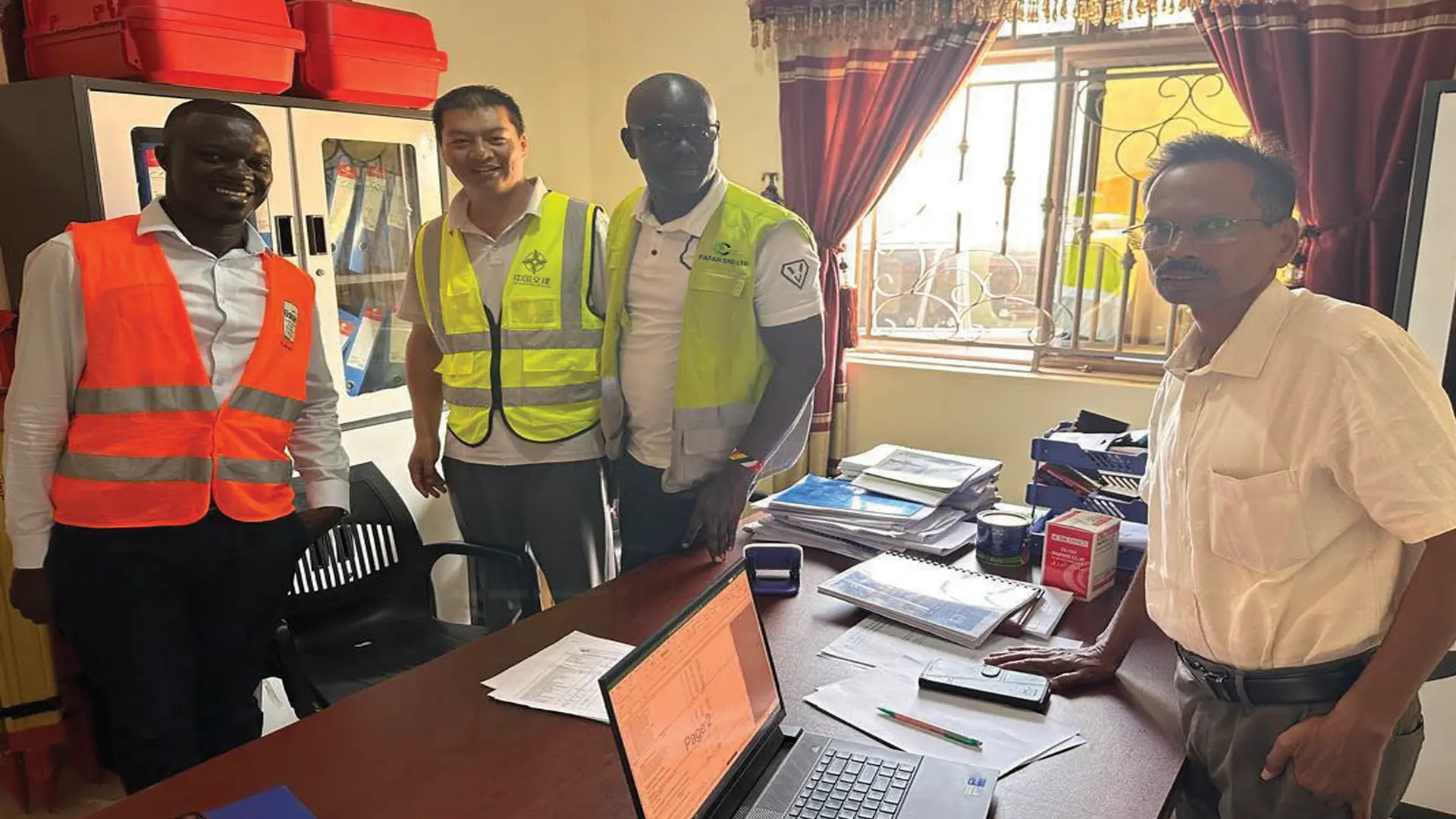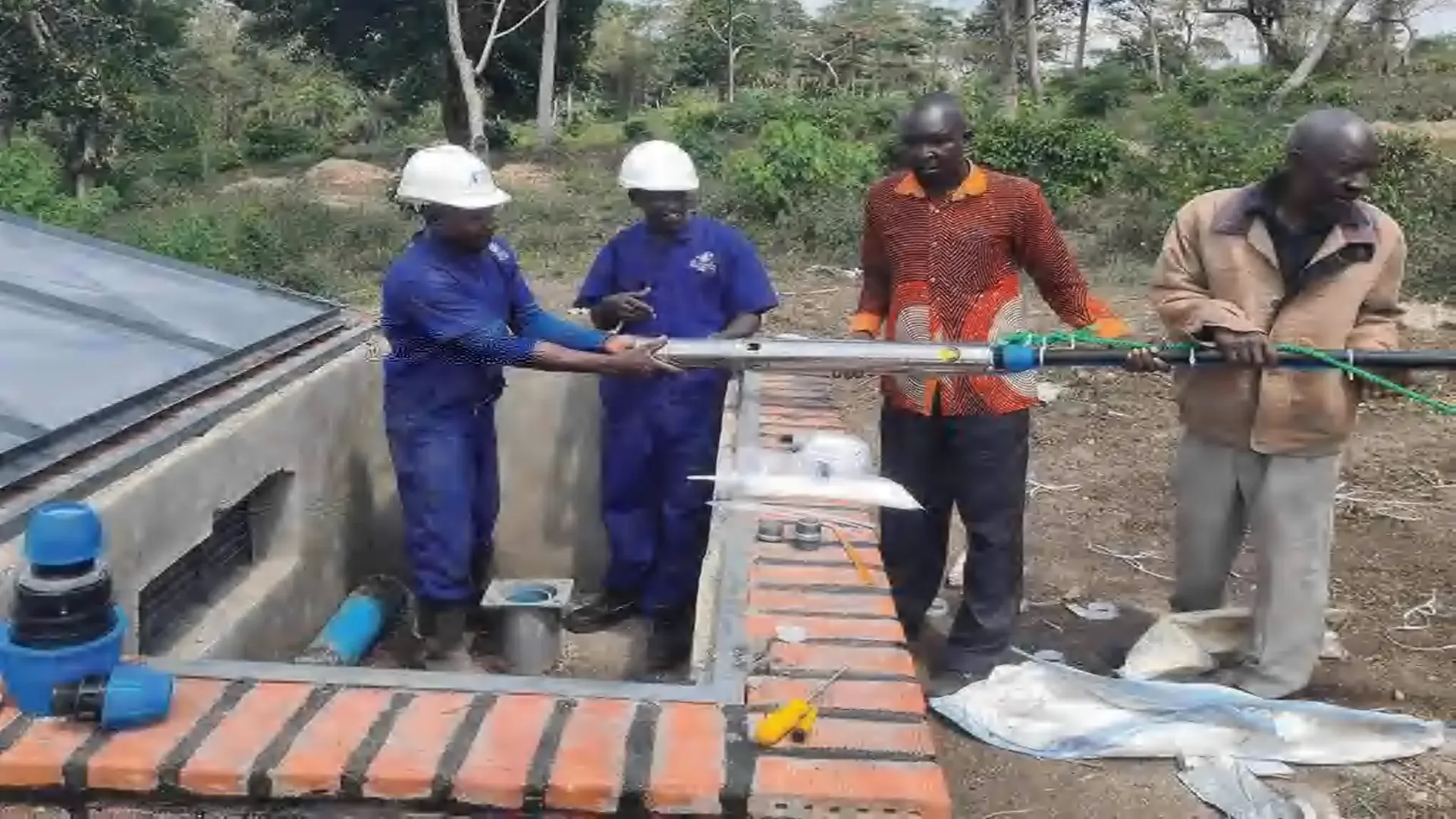
An engineering site review should do more than confirm that a site exists. It should help the technical team understand the required outcome, verify existing conditions, identify constraints and decide what further investigation, design, costing or remedial work is needed. The quality of the information shared before mobilisation affects who should attend, what instruments or protective equipment may be required and whether the visit can answer the client’s main questions.

You do not need to prepare a complete technical report before making an enquiry. A concise brief, supported by reliable photographs and available records, is usually enough to help the reviewing team plan the first visit properly.

1. Give the exact location and a realistic access description

Provide the country, state or district, town or settlement, facility name and a map pin or coordinates where possible. Add the name and telephone number of the person who will receive the team on site.

Describe the route as it is actually experienced: road surface, seasonal flooding or mud, bridge or weight restrictions, security checkpoints, parking, walking distance from the final vehicle-access point and whether four-wheel-drive transport is normally required. For remote assignments, mention reliable communication coverage, nearby accommodation, fuel availability and the expected travel time from the nearest major town.

2. Explain the required outcome, not only the visible problem

State what is happening now, what result is required and what decision the review should support. For example, “the pump is not working” is less useful than explaining the present water source, the number of users affected, when the failure began, previous repairs and whether the client needs fault diagnosis, rehabilitation options, replacement design or a budget estimate.

Clarify whether the enquiry concerns a new installation, extension, rehabilitation, condition assessment, fault investigation, maintenance plan, compliance review, design verification, bill of quantities or quotation. Where several systems are involved, identify the priority areas and any part of the facility that must remain operational.

3. Share drawings, records and photographs that show context

Send the best information currently available, even when some documents are old or incomplete. Clearly label anything that may no longer reflect the site.

  • Wide photographs showing the overall facility, access, neighbouring activities and project boundaries
  • Closer photographs of damaged components, connections, control panels, pipework, structures, foundations, drainage paths or other areas of concern
  • Existing drawings, layouts, single-line diagrams, BOQs, specifications, equipment schedules or previous proposals
  • Inspection, test, maintenance, repair, commissioning, completion or handover records
  • Equipment nameplates, model numbers, ratings, capacities, installation dates and known fault indications
  • Available survey information, land documents, utility records, permits or environmental studies relevant to the proposed work

Photographs should be recent, clear and taken safely. Include a recognisable reference for scale where appropriate, but do not open electrical equipment, enter restricted spaces or approach unstable structures merely to obtain an image.

4. Describe the existing system and the people who depend on it

Explain how the system is intended to operate and what has changed. State the number and type of users, operating hours, peak-demand periods, current interruptions, backup arrangements and any planned expansion. For electrical work, available information on supply source, voltage, connected loads, protection and backup generation is useful. For water systems, include the source, pumping arrangement, storage, distribution, approximate demand and known water-quality concerns.

Also explain whether the site is an occupied school, health facility, office, market, community water point, workshop, accommodation facility or industrial operation. This affects access, public protection, shutdown planning, noise control, safeguarding and the hours during which inspection or construction may be carried out.

5. Identify existing utilities and concealed hazards

Known underground and overhead services should be disclosed before intrusive work is considered. Share any records or local knowledge about electrical cables, water pipes, sewers, fuel lines, communication ducts, boreholes, septic systems, tanks, previous excavations and unrecorded alterations.

Mention damaged structures, unstable ground, suspected contamination, asbestos-containing materials, confined spaces, open water, working-at-height exposure, live electrical equipment, traffic movement and other hazards already known to the client. Early disclosure allows the technical team to plan a proportionate assessment and determine whether specialist support is required.

6. Explain access controls, site rules and HSE requirements

Advise whether visitors need prior approval, identification, security clearance, induction, permits to work, escorts or specific personal protective equipment. Include restrictions on photography, vehicle movement, working hours, isolation of services, hot work, excavation, lifting, roof access or entry into controlled areas.

Where the site remains open to staff, students, patients, customers or the public, explain how people currently move around the proposed work area. Project boundaries, adjacent land use, emergency arrangements and measures needed to prevent unauthorised access can materially affect the review and later project planning.

7. Separate the technical programme from procurement dates

State the preferred site-review date, the period in which the work is expected to start and the required completion or handover date. Then list any separate deadline for tender submission, donor approval, funding utilisation, budget closure, quotation validity, mobilisation or reporting.

This distinction matters because a safe and credible technical programme may require surveys, tests, design development, approvals, procurement lead time or planned shutdowns that cannot be compressed simply because an administrative deadline is approaching.

8. Clarify the expected output from the visit

Confirm what you expect after the review. Depending on the assignment, this may be a preliminary finding, condition-assessment report, recommended investigations, concept solution, scope of work, drawings, BOQ, cost estimate, implementation programme, maintenance plan or formal proposal.

Also identify who will approve the next step and who can answer technical, operational, procurement and financial questions. A clear decision route reduces delays after the site team has completed its observations.

A useful first enquiry is clear rather than perfect. It should allow the reviewing team to understand where the site is, what outcome is required, what already exists, who may be affected, which hazards or access restrictions are known and what decision must follow the visit. Final conclusions should still be based on competent site verification, measurements and any specialist investigations the assignment requires.