A closer look at the solar-powered water system serving Abuyung Trading Centre and the PHCC, including the pumping arrangement, elevated storage, distribution network and community collection points.
The need for a connected water-supply system
Abuyung required a water-supply arrangement that could serve everyday community demand while also supporting the PHCC. That meant the project could not be treated as a single pump installation. Water had to be lifted, stored at a useful elevation, carried through the distribution network and made accessible at collection points that people could use safely and consistently.
How the system is arranged
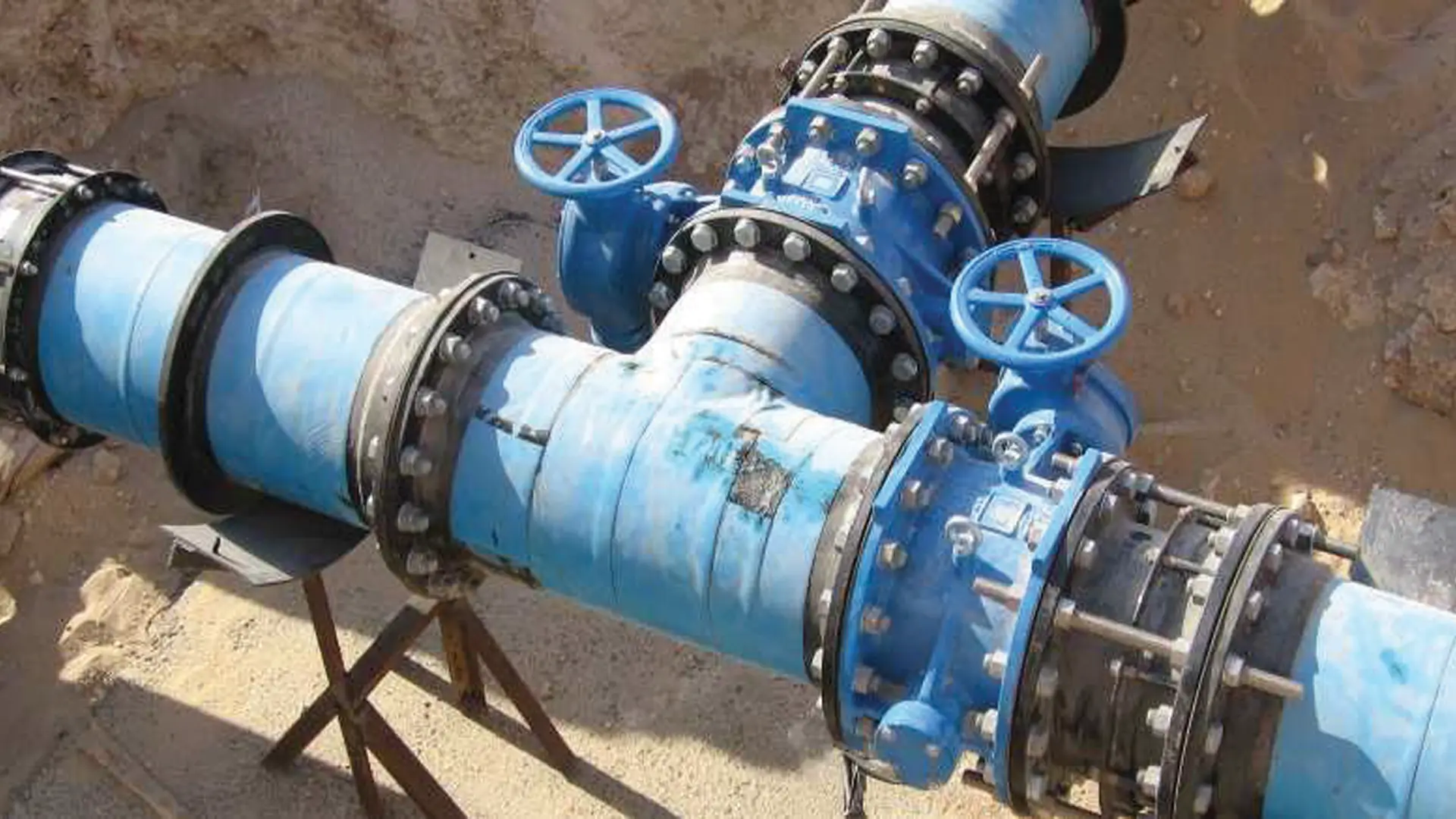
The recorded system combines solar-powered pumping with two elevated 5,000-litre tanks, pipe distribution and community collection points. The solar array provides the energy required for pumping during daylight hours. The elevated tanks store water and provide the pressure needed to move it through the connected pipelines. This arrangement reduces dependence on continuous generator operation and gives the system a practical buffer between pumping and daily use.
Why elevated storage matters
Storage is important because demand does not occur at the same rate throughout the day. The tanks allow water to be accumulated when pumping conditions are favourable and released when users need it. Their elevation also supports gravity-fed distribution. Tank condition, support structures, inlet and outlet connections, overflow arrangements and routine cleaning therefore remain important to the long-term performance of the system.
PAPAN’s documented contribution
PAPAN supported the delivery and monitoring responsibilities assigned to it, followed progress across the main system components and maintained the project information needed to confirm the work completed. This included attention to the relationship between pumping, storage, distribution and the intended service points rather than reviewing each component in isolation.
Service to the Trading Centre and PHCC
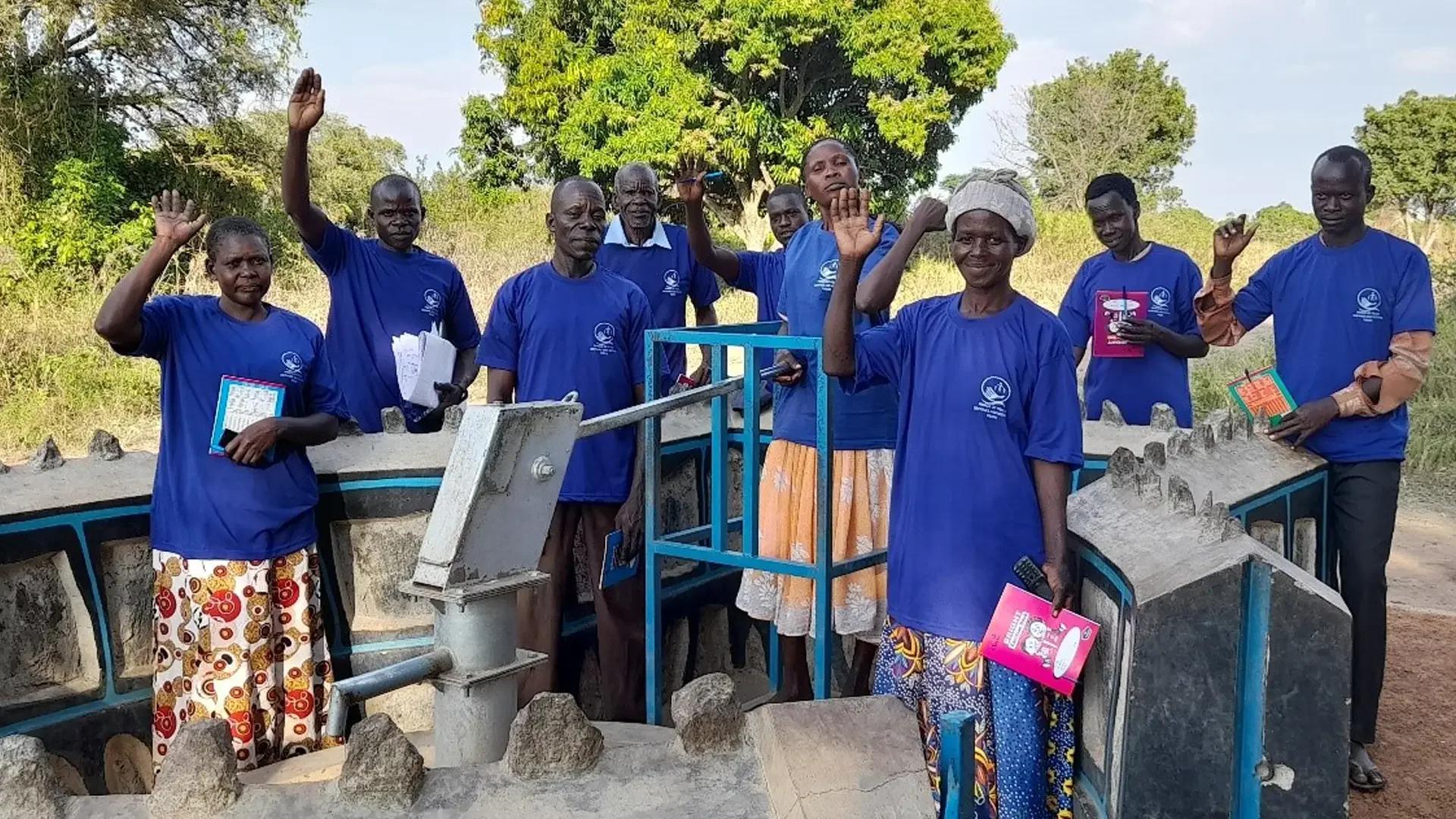
The system serves Abuyung Trading Centre and the PHCC. These two service settings have different patterns of use, but both depend on reliable access. Community collection points must remain accessible and functional, while the health facility needs water for routine operations, hygiene and patient care. The connected design was therefore intended to support both public and institutional demand.
What should be monitored after delivery
Long-term performance depends on routine inspection and clear responsibility. Solar panels should remain clean and secure; pump performance and unusual changes in output should be recorded; tanks, valves and pipelines should be checked for leakage; and faults at collection points should be reported early. A simple maintenance record helps the operator identify recurring problems before they interrupt service.
Where to review the complete project record
The Abuyung case study provides the approved project description, the system components, PAPAN’s role and the supporting project information in one place. Readers who need project evidence rather than a news update should use the case-study page as the main reference.
Publication information
Publication: PAPAN Insights
Publisher: PAPAN South Sudan Ltd
Editorial byline: PAPAN Insights Editorial Team
Technical review: PAPAN Technical Team
Published: 13 June 2026
Corrections and enquiries: info@papangroup.com